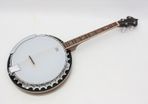
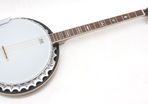
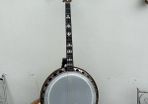
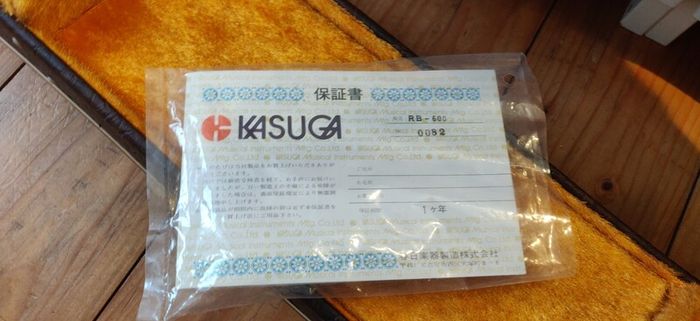
Vintage Kasuga Masterclone Banjo
- Seller:
- Goldstar2
- Feedback:
- Location:
- 3 more ads from this seller
- Entered/Renewed:
- 29 minutes ago
- Ad Views:
- 41


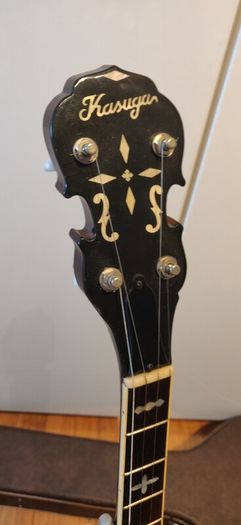
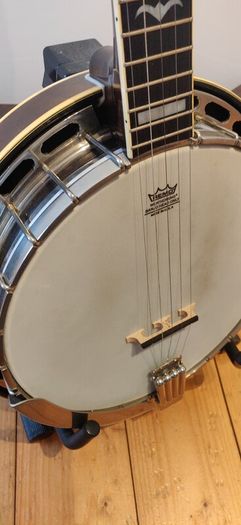
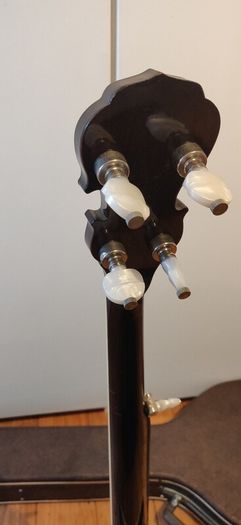
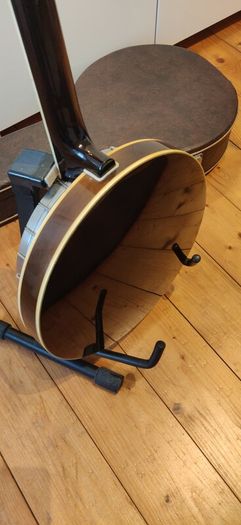
Vintage Kasuga Masterclone Banjo
Description
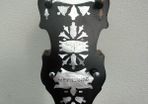
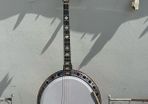
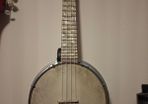
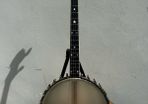
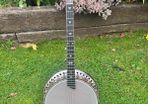
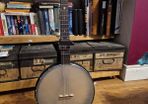
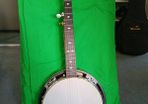
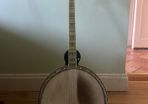
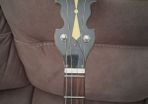
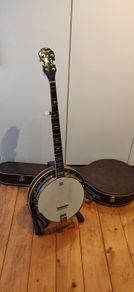
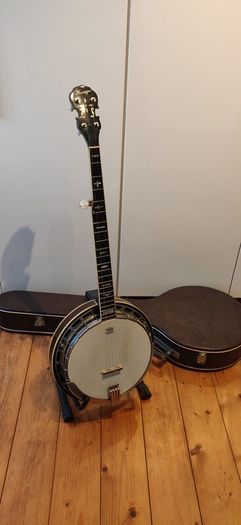
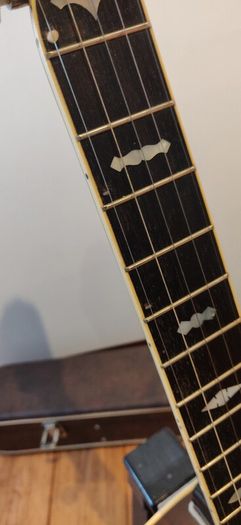
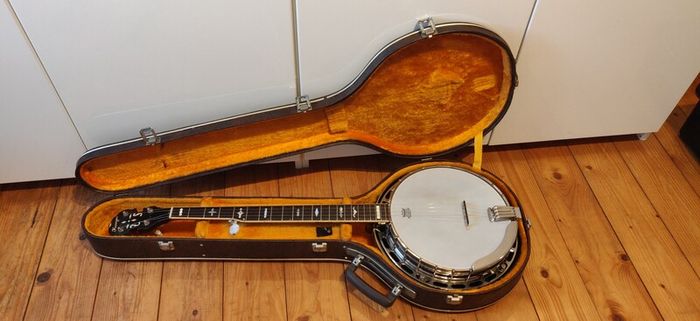
Vintage Kasuga Masterclone Banjo in amazingly good condition. 50 plus years old.
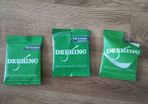
New D'addario lights, Scorpion bridge, railroad spikes and clamshell tailpiece.
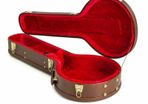
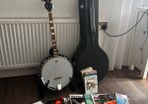
Case in equally good shape. Plays well and has a powerful sound. Message me if you have any questions or need more pics.
Some Masterclone history:
Seventies Japanese "masterclone" banjos were high-quality, precision-built copies of classic American instruments—specifically the 1930s Gibson Mastertone 5-string banjos. Driven by the American folk and bluegrass revival of the 1960s and 1970s, Japanese manufacturers capitalized on advanced woodworking and metal-casting techniques to build instruments that rivaled U.S. production at a fraction of the price.
History & Manufacturing Evolution
• The Rise of Import Replicas: Throughout the 1970s, Japanese factories shifted from low-cost student models to high-end professional instruments.
• Key Manufacturers (OEMs): Prominent makers like Iida Gakki, Tokai, Kasuga, and Fujigen built these banjos. Tokai's production later directly evolved into the acclaimed Gold Star banjo line.
• Notable Collaborations: In 1974, the GTR brand was launched by Nashville dealers/builders George Gruhn, Tut Taylor, and Randy Wood, with their masterclone banjos custom-built in Japan by Iida.
• Design & Specs: These instruments closely emulated Mastertone features, including heavy cast-metal flathead or archtop tone rings, multi-ply maple or mahogany rims, tube-and-plate or two-piece flanges, and mahogany or maple necks with rosewood or ebony fingerboards.
• Brand Names: Japanese masterclones were exported worldwide and badged under a wide variety of names, including Aria, Alvarez, Iida, Kasuga, Tokai, Univox, Ventura, Kent, and GTR.
• Legacy: By the late 1970s and 1980s, rising labor costs in Japan caused many operations to shift or wind down, cementing 70s Japanese masterclones as a respected budget-to-pro vintage alternative today.
 DeliveryPost/CourierTo be arranged PaypalTo be arranged
Asking Price: €750  No swaps
See more in our Banjos category available today