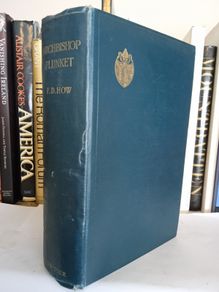
William Conyngham Plunket: Fourth Baron Plunket and Sixty-First Archbishop of Dublin; A Memoir by Frederick Douglas (LP187)
- Seller:
-
Knowledge is Power
Top Seller

- Feedback:
- Location:
- 1144 more ads from this seller
- Entered/Renewed:
- 2 weeks ago
- Ad Views:
- 564


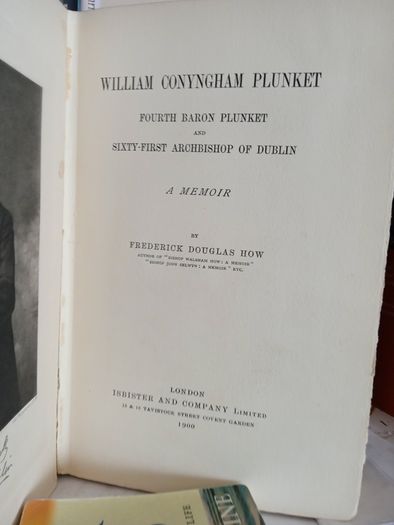
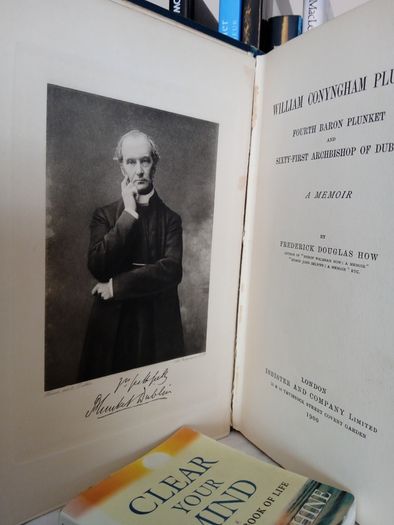
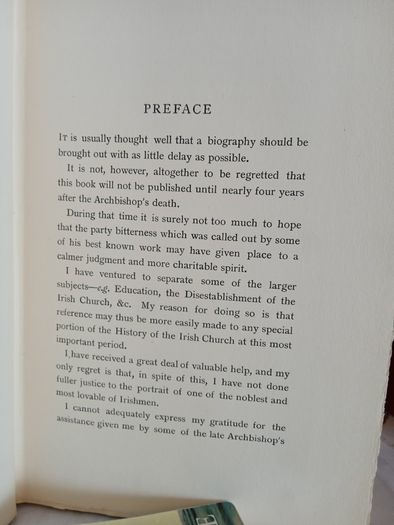
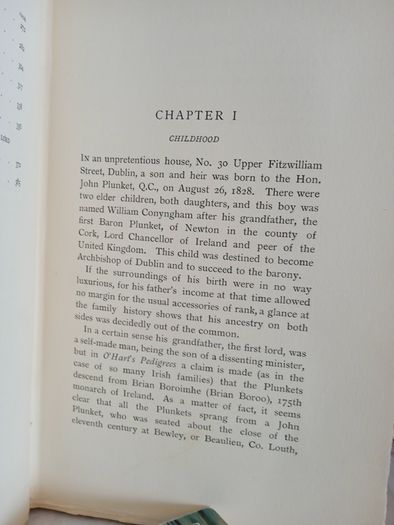
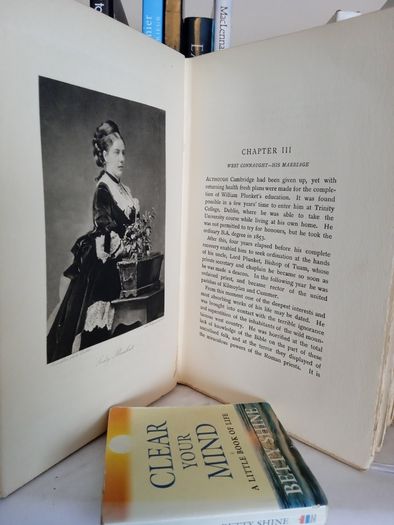
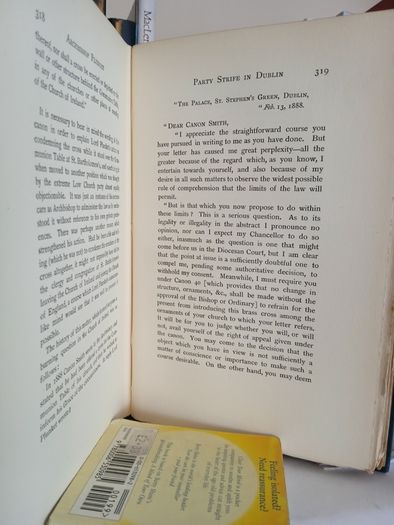
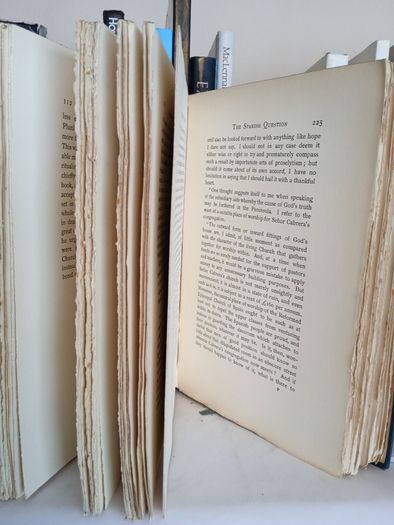
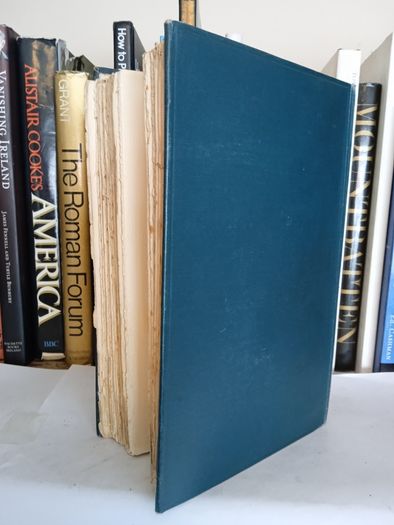
William Conyngham Plunket: Fourth Baron Plunket and Sixty-First Archbishop of Dublin; A Memoir by Frederick Douglas (LP187)
Description
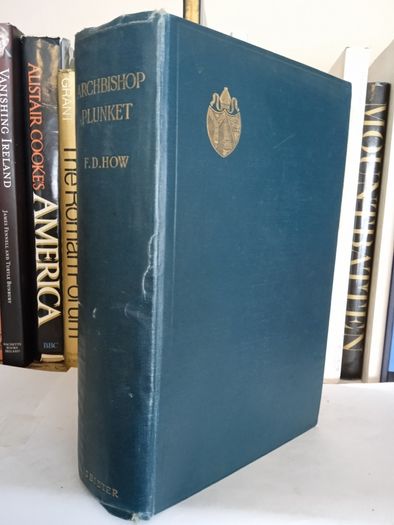
Published 1900: First Edition / Hardcover / Very Good Condition / Illustrated
Original blue embossed cloth with gilt titles on the spine. 392 very clean and bright pages, speckled foxing on the endpapers and edges, slight separation showing on inner hinge, first three pages loose but within, previous owners details on the second page. Covers slightly rubbed and faded with time consistent with age. (LP187)
Postage €6.95 including additional books ordered.
An Post prepaid postage envelopes within the Republic of Ireland, with no weight restrictions from €6.95.
William Conyngham Plunket, 1st Baron Plunket (born July 1, 1764, Enniskillen, County Fermanagh, Ire.—died Jan. 4, 1854, near Bray, County Wicklow) was an Anglo-Irish lawyer, parliamentary orator, successor to Henry Grattan as chief spokesman for Roman Catholic emancipation—i.e., admission of Catholics to the British House of Commons, a goal that was achieved in 1829.
Called to the Irish bar in 1787, Plunket was highly successful as an equity lawyer. Entering the Irish Parliament in 1798, he found that the British prime minister, William Pitt the Younger, was planning an Anglo-Irish legislative union that would abolish the Irish Parliament. During Grattan’s temporary retirement from politics (1797–1800), Plunket was the most vehement opponent of Pitt’s design, speaking often in the Irish legislature and writing articles for the newspaper Anti-Union (1798–99). On the passage of the Act of Union (Aug. 1, 1800), he returned to his law practice. In 1803 he acted for the crown in prosecuting the Irish nationalist Robert Emmet for his futile rising in Dublin. Emmet was executed, and later in the year Pitt appointed Plunket solicitor general of Ireland. Charged with disloyalty to the Irish cause by a writer in the Weekly Register, Plunket in 1804 recovered damages for libel from that periodical’s editor, the English radical William Cobbett.
After serving as Irish attorney general (1805–07), Plunket sat in the British House of Commons (1807, 1812–27). Himself a Presbyterian minister’s son, he unsuccessfully introduced bills (1821, 1825) for increased political rights for Catholics. He disliked popular agitation, however, and opposed the Irish leader Daniel O’Connell’s Catholic Association. The Emancipation Act of 1829 was passed two years after Plunket had been created baron (1827). From 1830 to 1841 he was lord chancellor of Ireland, his term proving largely uneventful.
https://www.britannica.com/biography/William-Conyngham-Plunket-1st-Baron-Plunket
 Post/CourierTo be arranged PaypalBank transferTo be arranged
Asking Price: €4  No swaps
More Similar Ads




See more in our Biographies category available today