random
- Seller:
- Lotusseed
- Feedback:
-
308 0
- Location:
- 749 more ads from this seller
- Entered/Renewed:
- 4 days ago
- Ad Views:
- 61


random
Description
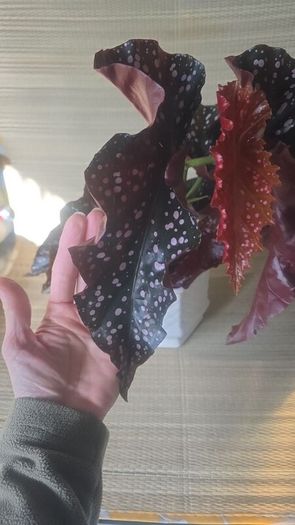
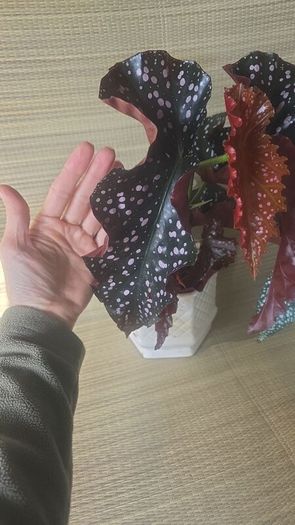
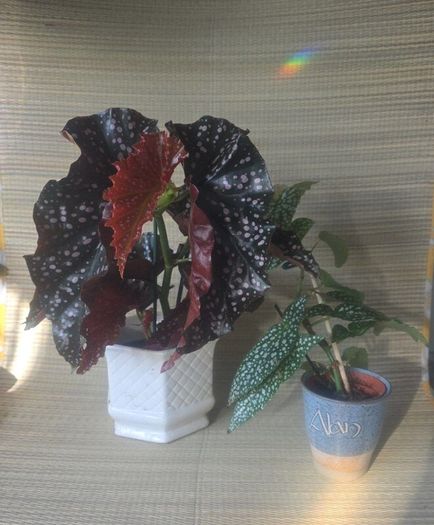
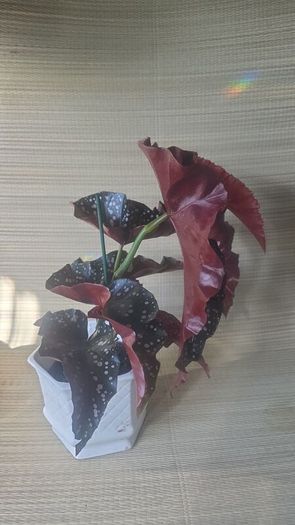
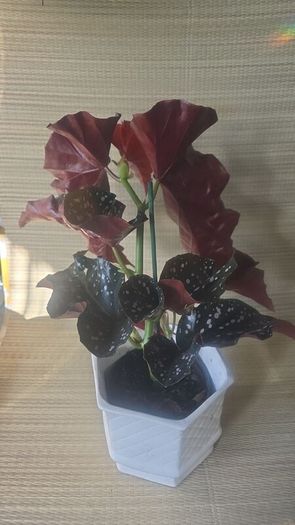
Begonia ‘Cracklin Rosie’ is a favourite choice among plant enthusiasts, captivating with its vibrant foliage and distinctive charm. This hybrid begonia, named after a popular song, offers a dynamic visual appeal that enhances indoor spaces. Its striking appearance makes it a popular plant for those seeking to add a touch of colour and unique texture to their plant collection.
Discovering Begonia Cracklin Rosie
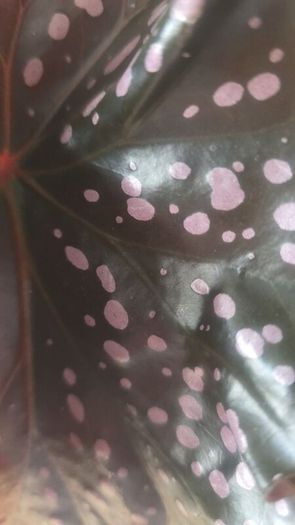
Begonia ‘Cracklin Rosie’ is an upright, cane-like begonia known for its visually appealing foliage. Leaves typically begin bronze, maturing into deep green with silver or pink speckles. The underside often displays a vivid red or maroon colour, noticeable due to the leaves’ natural curl. This striking contrast contributes significantly to its dramatic appearance.
The large, asymmetrical leaves resemble angel wings, leading to its classification as an “Angel Wing” begonia. While primarily valued for its foliage, ‘Cracklin Rosie’ can produce infrequent clusters of pink flowers.
Light Requirements
Begonia ‘Cracklin Rosie’ thrives in bright, indirect light. Place the plant near an east or west-facing window, or about one meter from a south-facing window. Direct sunlight can scorch leaves, causing browning or curling, while insufficient light leads to leggy growth and less vibrant foliage. Adequate light encourages compact growth and intense leaf coloration.
Watering Practices
Consistent moisture benefits ‘Cracklin Rosie’, but avoid overwatering to prevent root issues. Allow the top 2-3 cm (about 1 inch) of soil to dry between waterings. Signs of thirst include slight wilting or drooping leaves. Water from the bottom or directly to the soil to prevent water from sitting on leaves, which can lead to fungal problems.
Soil and Potting
A well-draining, airy, and rich potting mix is ideal for Begonia ‘Cracklin Rosie’. A blend of potting soil with added perlite or humus-rich material ensures good drainage and aeration, preventing waterlogging. Terracotta pots wick away excess moisture, beneficial for those prone to overwatering. Plastic pots retain more moisture, requiring less frequent watering.
Temperature and Humidity
Maintain an optimal temperature range of 16°C to 20°C (60°F to 68°F) for ‘Cracklin Rosie’, though they tolerate 75°F to 90°F. They appreciate high humidity, ideally above 45%, mirroring their tropical origins. Increase humidity using a pebble tray, grouping plants, or a room humidifier. Misting foliage is not recommended as it can encourage fungal issues.
 To be arranged
Asking Price: €28  No swaps
See more in our Crazy Random Stuff category available today