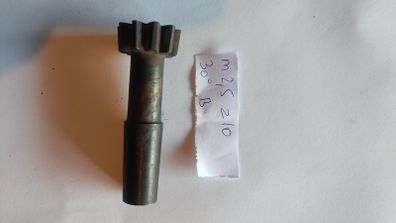
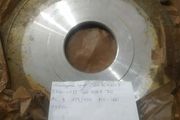
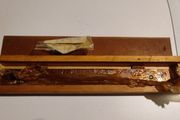
Gear Shaper Cutter M2.5 Z-10 PA30 HSS USSR Shank Type Shaper Cutter
- Seller:
- Industrial Tool Store
- Feedback:
- Location:
- 131 more ads from this seller
- Entered/Renewed:
- 58 minutes ago
- Ad Views:
- 23


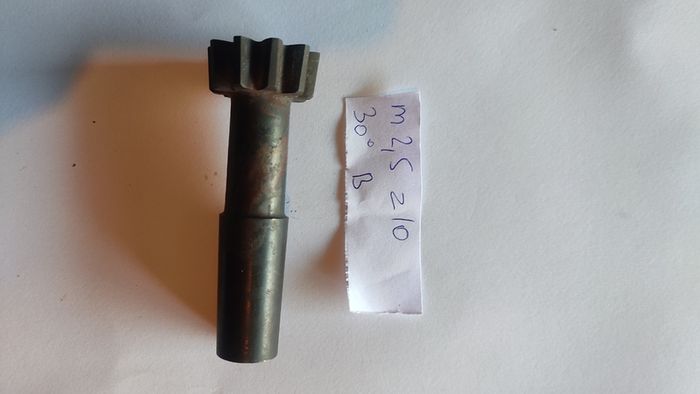
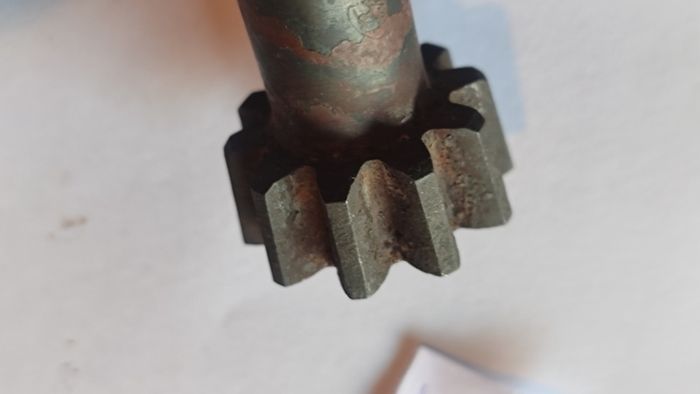
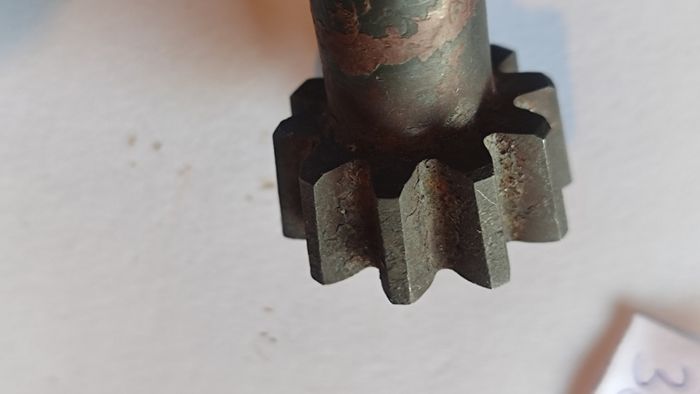
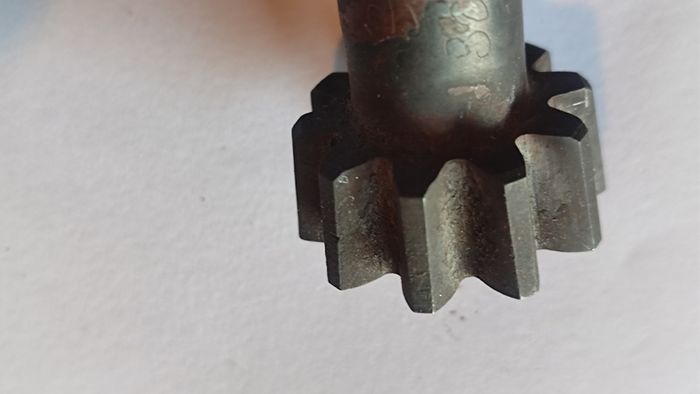
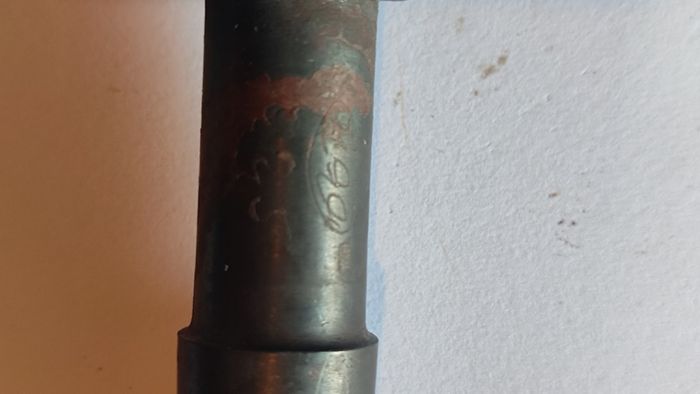
Gear Shaper Cutter M2.5 Z-10 PA30 HSS USSR Shank Type Shaper Cutter
Description
Condition:
New
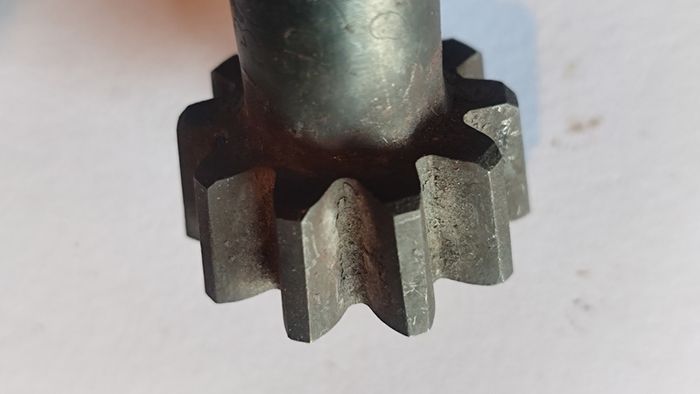
Gear Shaper Cutter Shank Type
Module - 2.5
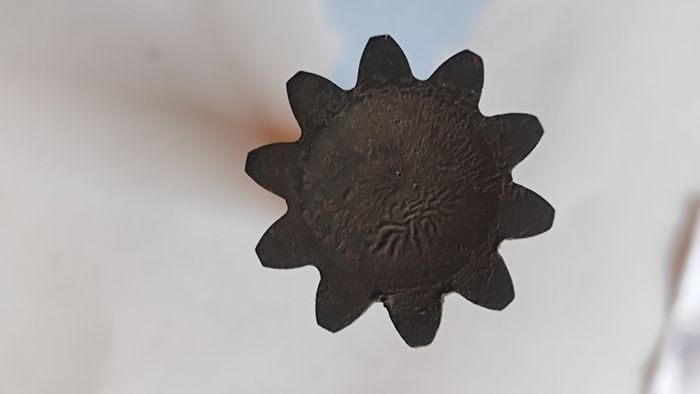
Number of teeth - 10
Pressure angle - 30 deg
Material - HSS
Made in USSR
High quality is an advantageous feature of gear cutting tools made in USSR.
Since this is a brand-new, never-used tool for gear cutting (a gear shaper cutter or pinion-type cutter), its deep black color is the result of final thermal and chemical-thermal treatments that are mandatory for professional metal-cutting tools.
High-quality gear-cutting tools are intentionally made black during the final stages of manufacturing for three technological reasons:
1. Phosphating or Sulfidizing to Reduce Friction
New gear-cutting tools often undergo a special chemical treatment, such as phosphating or processing in sulfide baths. This creates a porous, dark-gray or black layer on the steel surface.
Why it is necessary: This layer perfectly absorbs and retains cutting fluid (coolant) from the very first contact.
The effect: When the tool begins to cut into the workpiece, the black coating acts as a solid lubricant. It prevents chips from welding to the teeth and protects the tool from micro-chipping or seizing during its initial runs.
2. Oil Quenching and Tempering
Professional cutting tools are made from high-speed steels (such as M2, T1, or similar high-alloy tool steels). To achieve the hardness required to cut metal, the tool is heated to extreme temperatures and quenched in special oil.
During the quenching and subsequent multiple tempering cycles (used to relieve internal stresses), the oil baked onto the metal surface creates a durable oxide film of a deep dark, sometimes almost black, color.
The parts of a tool that appear "gray" are simply those that underwent final finish grinding or sharpening after this heat treatment.
3. Special Wear-Resistant Coating (PVD/CVD)
Modern gear-cutting tools are often treated with wear-resistant coatings to significantly extend their service life. Depending on the exact chemical composition, coatings like Titanium Carbonitride (TiCN) or Aluminum Chromium Nitride (AlCrN) can have a dark gray, anthracite, or practically black appearance.
The common "gray" color most people expect is just the color of bare metal after standard abrasive grinding. This tool was intentionally left black to extend its lifespan, prevent rust during storage, and protect the cutting edges from overheating during its first operations.
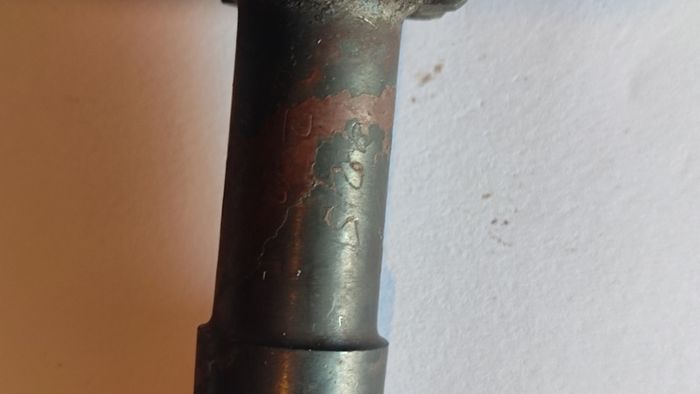
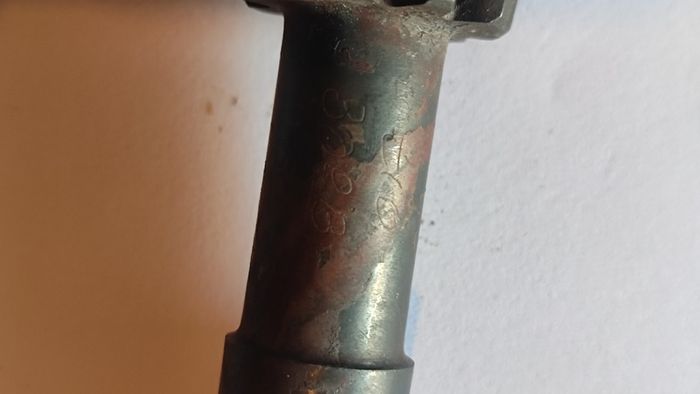
Please review the detailed photos carefully to assess the condition of the actual item you will receive.
 Bank transferTo be arranged
Asking Price: €165  No swaps
More Similar Ads




See more in our Hand Tools category available today