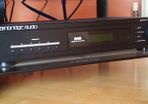
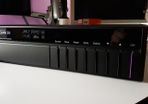
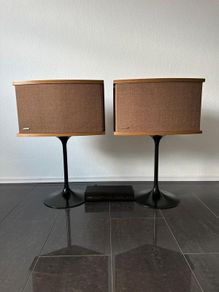
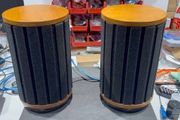
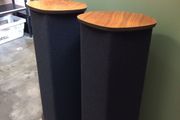
Collectors edition Superb Set of Bose 901V1 absolutely Pristine condition with original Tulip Stands and Bose Equalizer Mint condition
- Seller:
-
jambo81
Top Seller

- Feedback:
- Location:
- 54 more ads from this seller
- Entered/Renewed:
- 3 hours ago
- Ad Views:
- 608


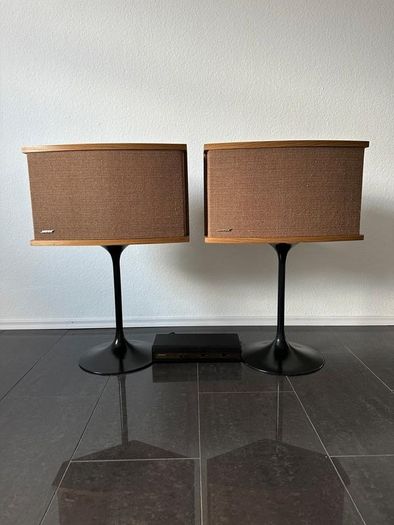
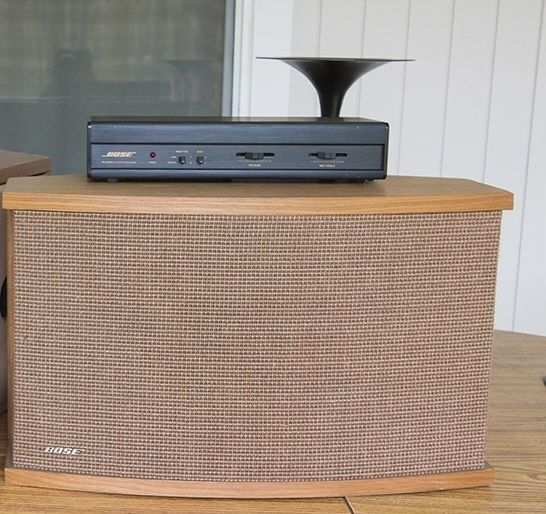
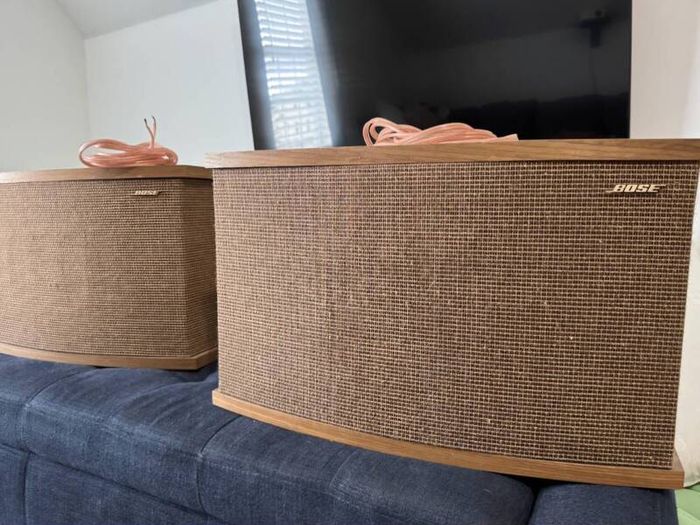
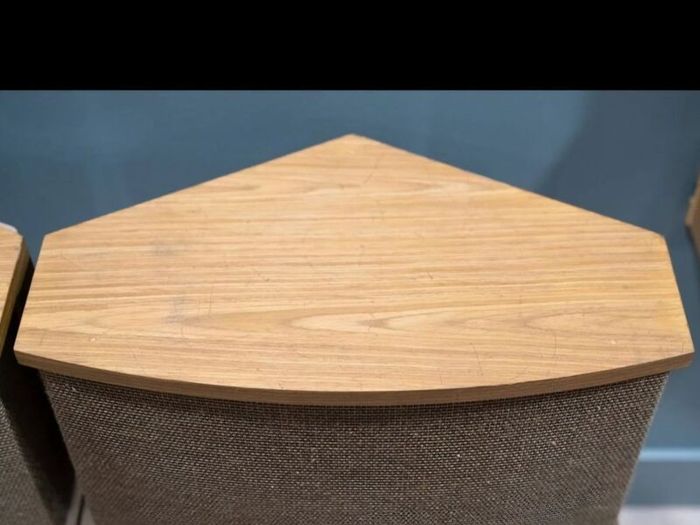
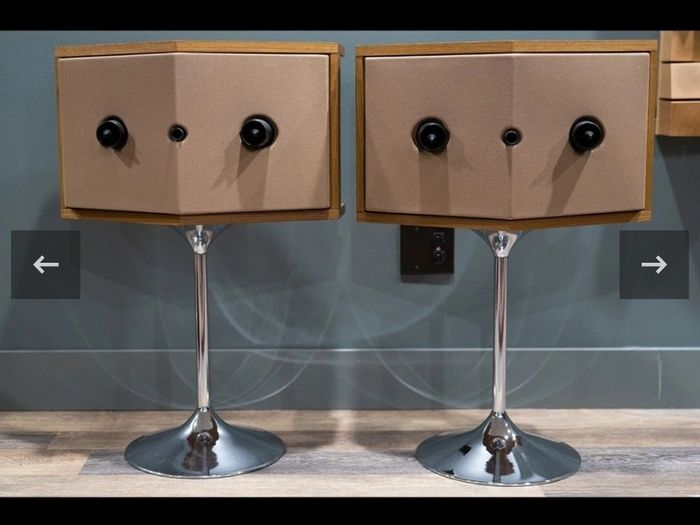
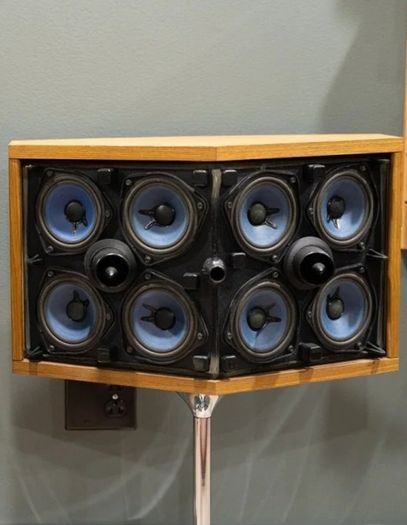
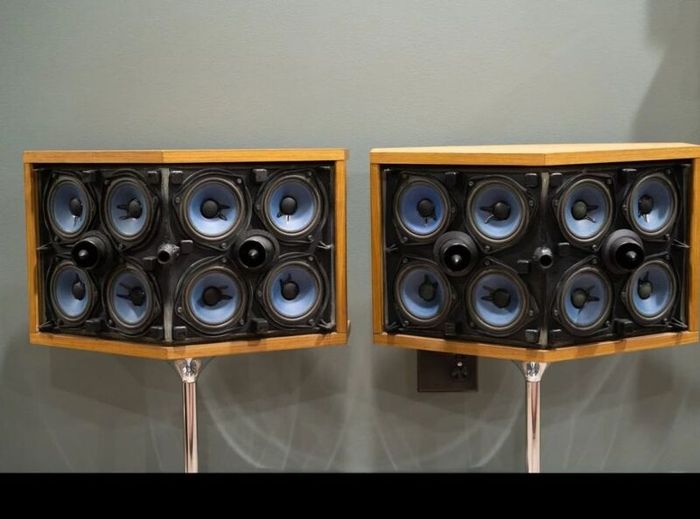
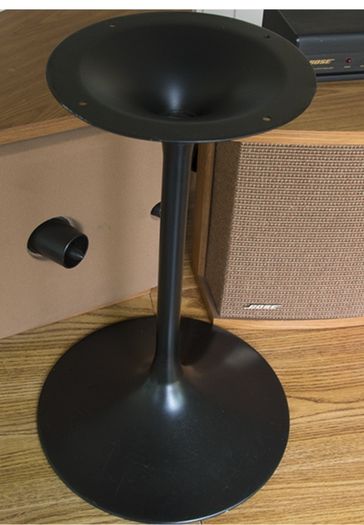
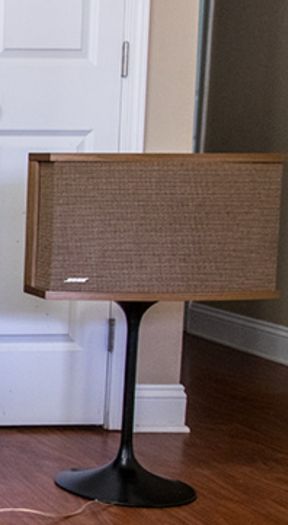
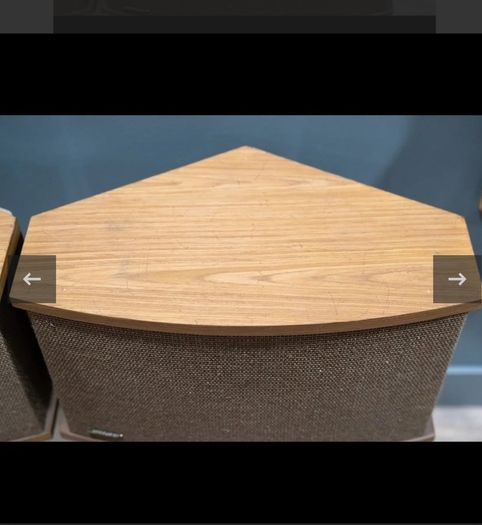
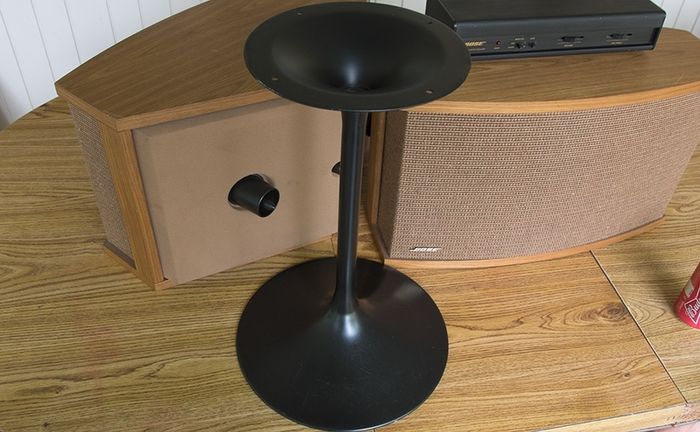
Collectors edition Superb Set of Bose 901V1 absolutely Pristine condition with original Tulip Stands and Bose Equalizer Mint condition
Description
These are IMHO one of the best speakers ever made , I was blown away the first time
And are still one of my favourites today
Reason that audiophiles don't like them is because they sound so good simple
Ive had these for over 25 years
Not in any rush to sell
So no time wasters please
If they don't sell so be it
The Stands sell for 350 upwards
The Equalizer sells for 400 upwards
No Offers please
The Bose 901 Series VI Direct/Reflecting speaker system features a unique 9-driver design per cabinet and requires a dedicated active equalizer to function properly. [1, 2]
Speaker Specifications
Design Type: Direct/Reflecting (1 front-firing full-range driver, 8 rear-firing full-range drivers) [1, 2]
Drivers: 9 x 4.5-inch (114 mm) full-range drivers per speaker (Series VI uses nine 1-ohm drivers wired in series) [1, 2, 3]
Nominal Impedance: 8 ohms [1, 2]
Power Handling: Compatible with amplifiers rated from 10W to 450W per channel (250W IEC rated) [1, 2, 3]
Dimensions (Each Speaker): Approx. 21" W x 12.6" H x 13" D (53.3 cm x 32.0 cm x 33.0 cm) [1]
Weight (Each Speaker): 35 lbs (16 kg) [1, 2]
Cabinet Finish: Walnut veneer or black options [1, 2, 3]
Recommended Placement: 4 to 12 feet apart, 8 to 18 inches from the rear wall [1, 2]
Active Equalizer Specifications
Input Impedance: 47 kΩ
Output Impedance: 1 kΩ
Usable Dynamic Range: 106 dB (at 35 Hz)
Total Harmonic Distortion (THD): Less than 0.09% at 1 kHz, 1 V input
Noise (A-weighted): Greater than 90 dB below 1 volt
Compensation Controls: Mid-Bass (±6 dB @ 225 Hz), Mid-Treble (±6 dB @ 3 kHz), and Bass Switch (–6 dB @ 35 Hz)
Dimensions (Active EQ): 13" W x 2.75" H x 5" D (33.0 cm x 7.0 cm x 12.7 cm)
Weight (Active EQ): 3.4 lbs (1.5 kg) [1, 2, 3]
Listening Notes:
I've heard these speakers many times of the past 20 years, in lots of different setups and they are still kind of hard to describe because they are so different from anything else out there. I'll break it down the performance of the speaker into a few standard categories and how they perform in comparison to other options out there.
Room interaction: These speaker couple to a room like no other, they immediately do something that will usually take weeks of dicking around with placement using traditional speakers. After initial placement I never once felt like I needed to move the speakers to get more out of them.
Imaging: The "Stereo everywhere" tag line that is used to sell these speakers is not quite the case. Imaging is huge and involved, but it is hard at least in my setup to place or pick out specific elements of the music. There is no denying the 901's ability to make you hear all of the music, but because the image is such a blur I don't seem to notice it as much as directional speakers, it instead you get the feeling of it. In contrast, Linkwitz dipole speakers create a soup of sound spread around the room, where the 901's transform the walls into massive speakers.
Headroom: These are some of the loudest speakers I've used in the 200Hz-10kHz range. Setup outside I was able to blast 112dB of non distorted music out of the back of the speakers measured from 10 feet away. The front was limited to about 98dB, which is still pretty damn loud for outdoors. I can see why there is a version of these speakers for PA use. When you start to get above 95dB the bass response falls off as the little drivers can't play deep bass at high volumes. This can also lead to them falling apart before 95dB on complicated tracks that are also bass heavy. For instance most Chemical brothers tracks are limited to about 85dB just because the full range drivers just can't do everything at once.
Tonality: The 901's are passable tonally if you are not in the room with them. If you sit and listen critically you will be met with harsh treble and bloated bass. Adjusting the EQ to fix these problems will leave the speakers sounding dull as it turns down all of the treble when the worst problems in the cone breakup range above 5k. Bass response is harder to nail down, it's hard to get away from the muddy bass, and honestly the Bass EQ options seem limited to either bloated bass or no bass.
Applications: Some simple instrumental tracks sound good, but anything with female vocals or cymbals should be avoided. These speakers can be used in a party scenario, and will impress most drunk people with the quantity of sound
 Paypal
Asking Price: €995  No swaps
More Similar Ads
See more in our Home Audio category available today