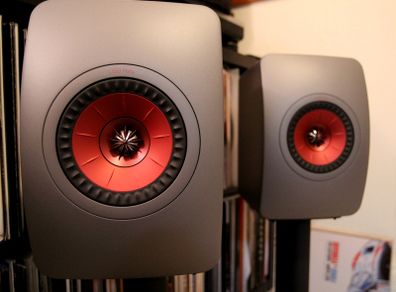
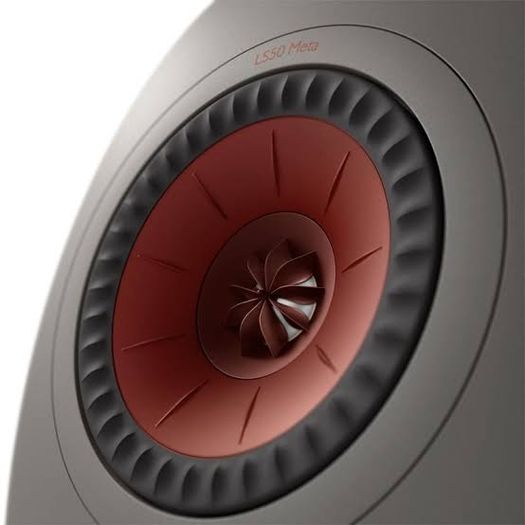
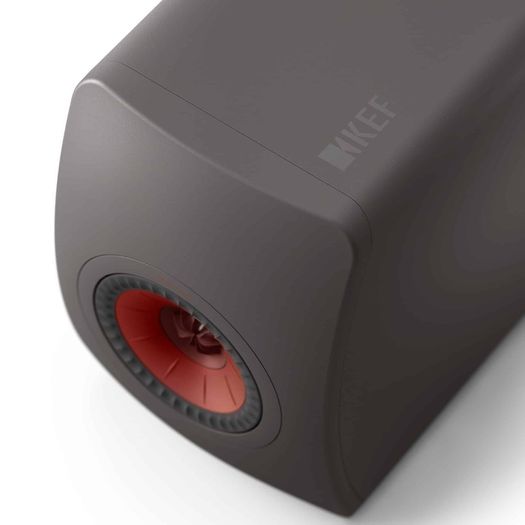
KEF LS50 Meta - Titanium as new pristine legendary LS50 bookshelf loudspeaker. Equipped with the 12th generation Uni-Q
- Seller:
-
jambo81
Top Seller

- Feedback:
- Location:
- 57 more ads from this seller
- Entered/Renewed:
- 1 day ago
- Ad Views:
- 808


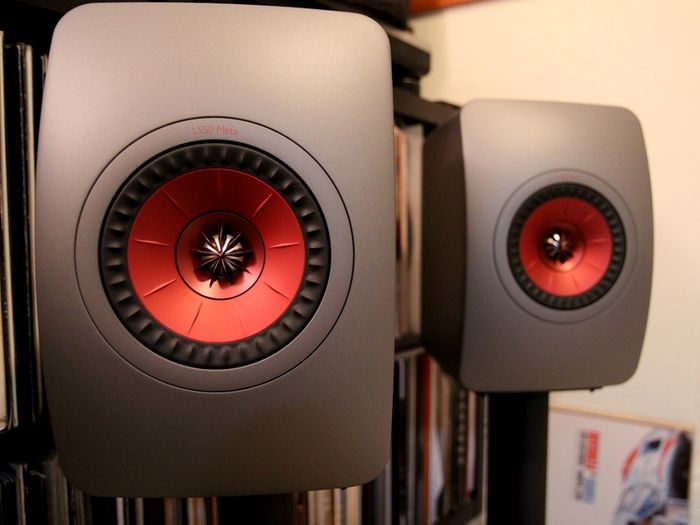
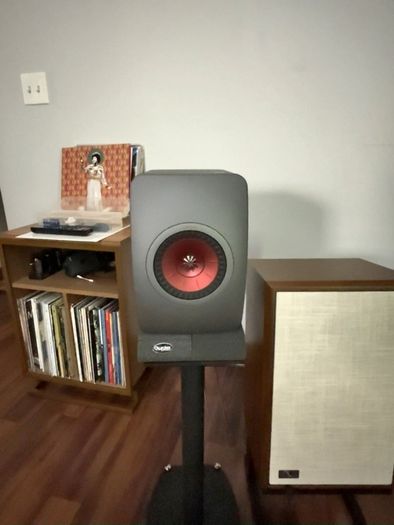
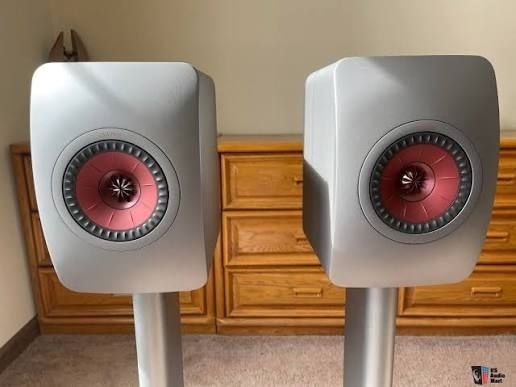
KEF LS50 Meta - Titanium as new pristine legendary LS50 bookshelf loudspeaker. Equipped with the 12th generation Uni-Q
Description
Latest model from kef at nearly half retail price these won all the top awards
No Offers or time wasters please
Read the reviews on these
The KEF LS50 Meta is a critically acclaimed, passive two-way bass reflex standmount loudspeaker widely regarded as a benchmark for performance at its price point. Retailing for approximately €1,499 / £1,299 per pair, it builds upon the legacy of the original LS50 monitor by integrating revolutionary acoustic technology to significantly reduce distortion and improve clarity.
Key Technologies
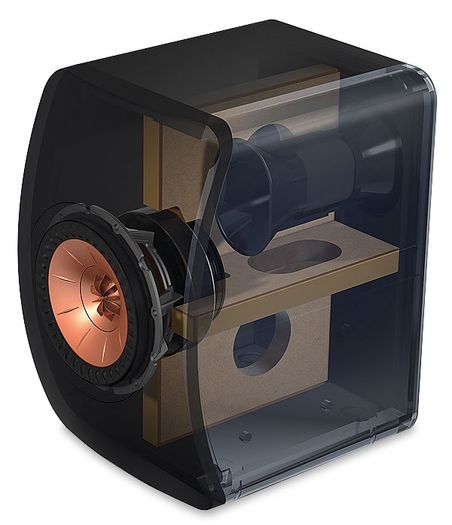
Metamaterial Absorption Technology (MAT): The headline feature is a synthetic, maze-like structure placed behind the tweeter. It acts as an acoustic "black hole," absorbing 99% of the unwanted sound radiating from the rear of the driver, resulting in an exceptionally clean and natural high-frequency presentation. [1, 2, 3]
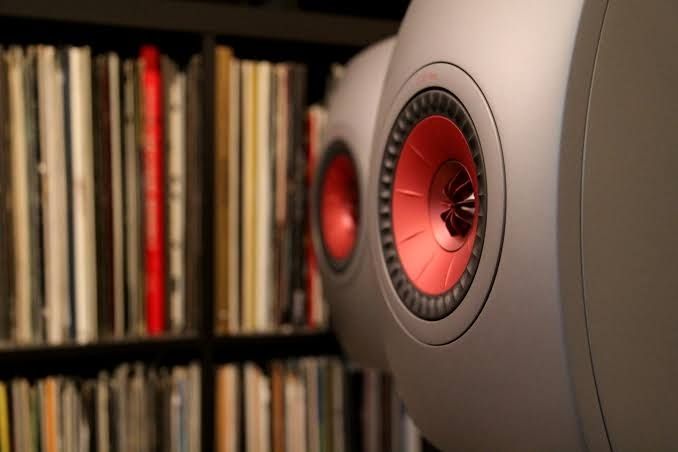
12th Generation Uni-Q Driver: KEF’s signature coaxial array places the 1-inch aluminum dome tweeter precisely at the acoustic center of the 5.25-inch magnesium/aluminum mid-bass cone. This design creates a single point source, producing an integrated, three-dimensional soundstage with a wide "sweet spot". [1, 2, 3, 4]
The KEF LS50 Meta is a critically acclaimed, passive two-way bass reflex standmount loudspeaker widely regarded as a benchmark for performance at its price point. Retailing for approximately €1,499 / £1,299 per pair, it builds upon the legacy of the original 2012 LS50 monitor by integrating revolutionary acoustic technology to significantly reduce distortion and improve clarity. [1, 2, 3, 4, 5]
Key Technologies
Metamaterial Absorption Technology (MAT): The headline feature is a synthetic, maze-like structure placed behind the tweeter. It acts as an acoustic "black hole," absorbing 99% of the unwanted sound radiating from the rear of the driver, resulting in an exceptionally clean and natural high-frequency presentation. [1, 2, 3]
12th Generation Uni-Q Driver: KEF’s signature coaxial array places the 1-inch aluminum dome tweeter precisely at the acoustic center of the 5.25-inch magnesium/aluminum mid-bass cone. This design creates a single point source, producing an integrated, three-dimensional soundstage with a wide "sweet spot". [1, 2, 3, 4]
Resonance-Resistant Cabinet: The speaker features a distinctly curved front baffle crafted from an injection-molded Dough Moulding Compound (DMC) paired with internal cross-bracing and Constrained Layer Damping. This structure eliminates cabinet coloration, allowing the drivers to perform without interference.
Resonance-Resistant Cabinet: The speaker features a distinctly curved front baffle crafted from an injection-molded Dough Moulding Compound (DMC) paired with internal cross-bracing and Constrained Layer Technical Specifications
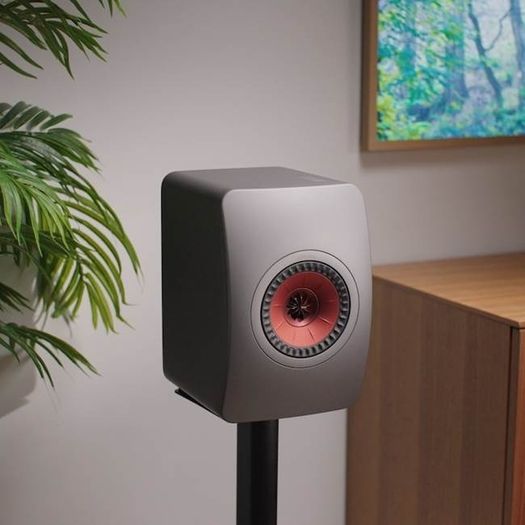
The LS50 Meta shares a similar physical profile and footprint with the original model but transitions to modern, fingerprint-resistant satin finishes (Carbon Black, Mineral White, Titanium Grey, Royal Blue, and Sand Shell). [1, 2, 3]
FeatureSpecificationFrequency Response (±3dB)79 Hz – 28 kHzFrequency Range (-6dB)47 Hz – 45 kHzSensitivity (2.83V/1m)85 dBNominal Impedance8 Ω (Minimum: 3.5 Ω)Recommended Amplifier Power40 – 100 WMaximum SPL106 dBDimensions (H x W x D)302 x 200 x 280.5 mmWeight (Per Speaker)7.8 kg (17.2 lbs. This structure eliminates cabinet coloration, allowing the drivers to perform without interference.
Feature
SpecificationFrequency Response (±3dB)79 Hz – 28 kHzFrequency Range (-6dB)47 Hz – 45 kHzSensitivity (2.83V/1m)85 dBNominal Impedance8 Ω (Minimum: 3.5 Ω)Recommended Amplifier Power40 – 100 WMaximum SPL106 dBDimensions (H x W x D)302 x 200 x 280.5 mmWeight (Per Speaker)7.8 kg (17.2 lbs)
Real-World Performance Nuances
Amplifier Requirements: With a relatively low sensitivity rating of 85 dB and an impedance that dips to 3.5 ohms, these speakers are notoriously power-hungry. They require a high-current, capable amplifier to truly open up and deliver their full dynamic potential. [1, 2, 3]
Bass Response & Subwoofer Pairing: While the bass is tight, punchy, and articulate, the low-frequency response rolls off rapidly below 50 Hz due to the cabinet's physical size. For full-range impact—especially in larger rooms—pairing them with a dedicated
 Paypal
Asking Price: €795  No swaps
More Similar Ads



See more in our Home Audio category available today