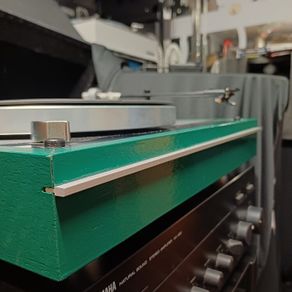
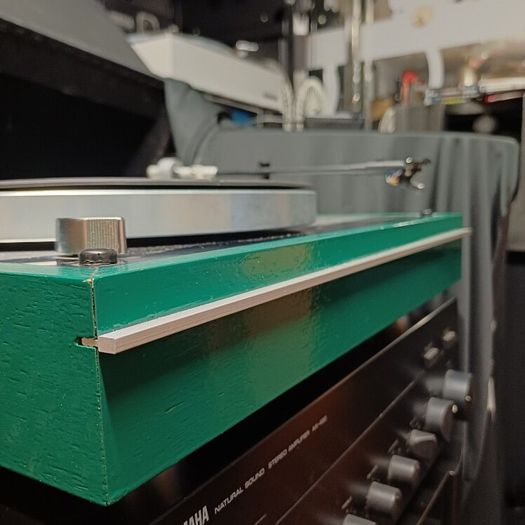
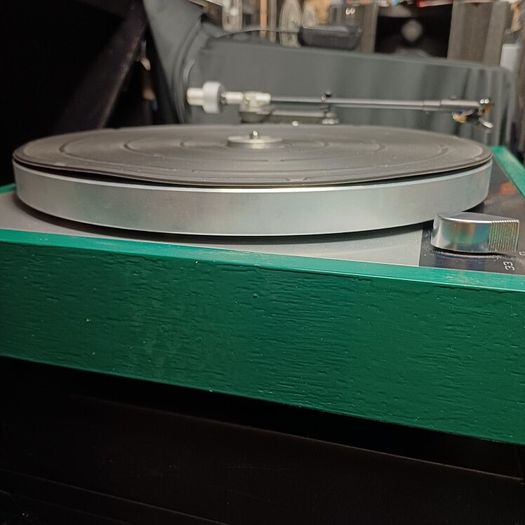
Thorens Td-160b Turntable Upgraded And Serviced With Adc Alt-1 Tonearm Ortofon Stylus Upgraded Power Cord And Rca Cables Racing Green Plinth
- Seller:
-
jambo81
Top Seller

- Feedback:
- Location:
- 52 more ads from this seller
- Entered/Renewed:
- 1 hour ago
- Ad Views:
- 285


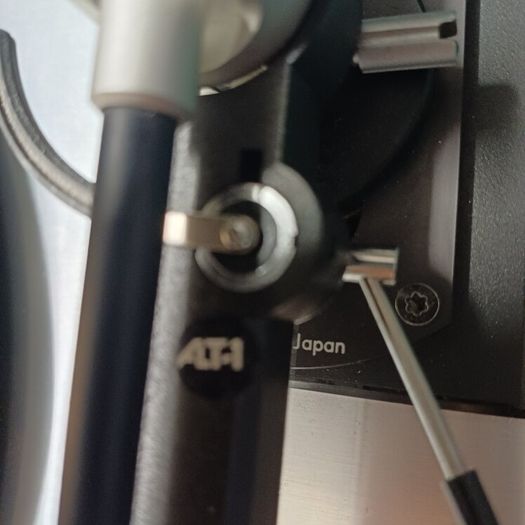
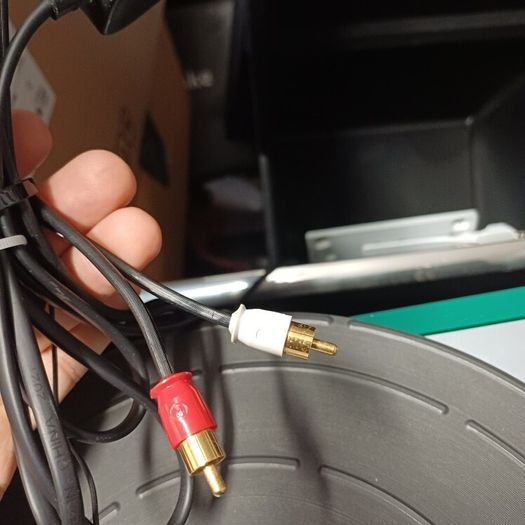
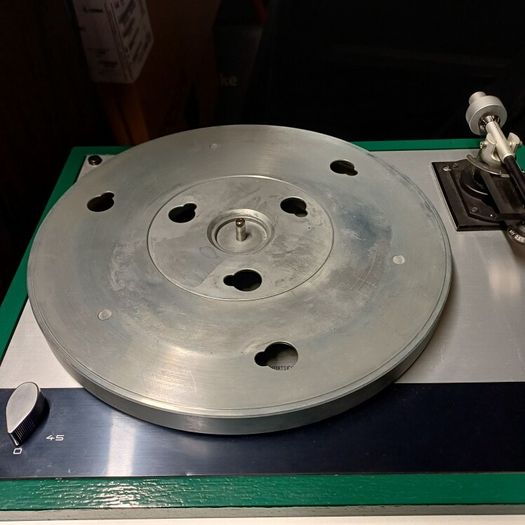
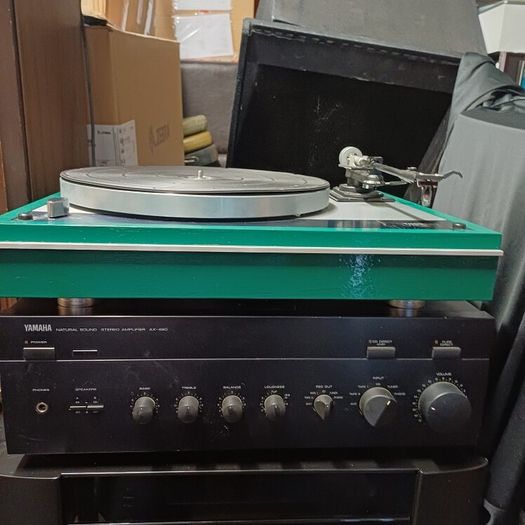
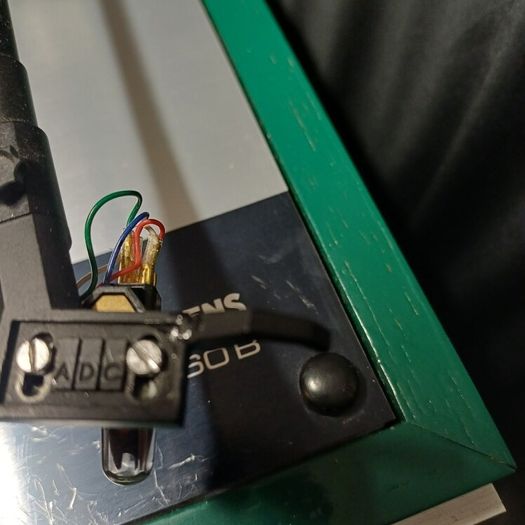
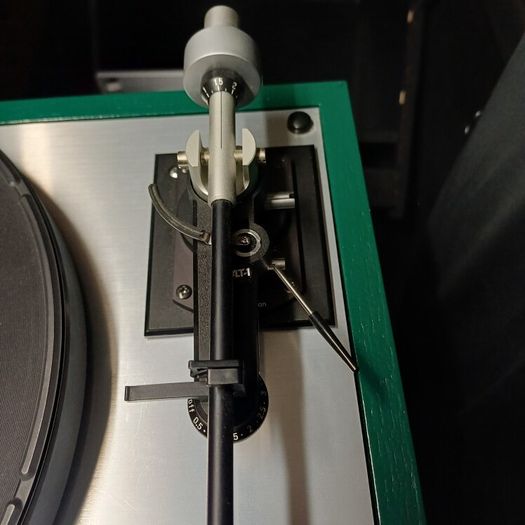
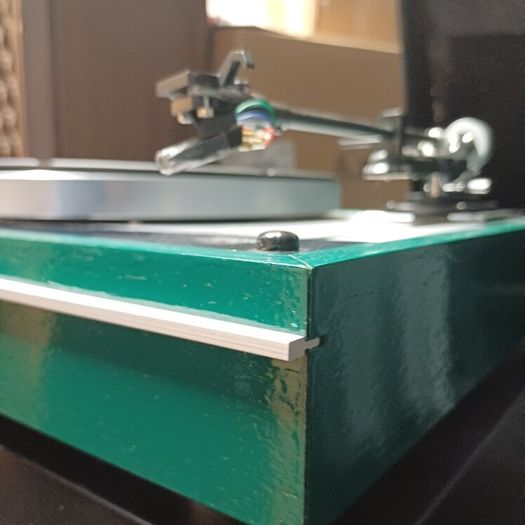
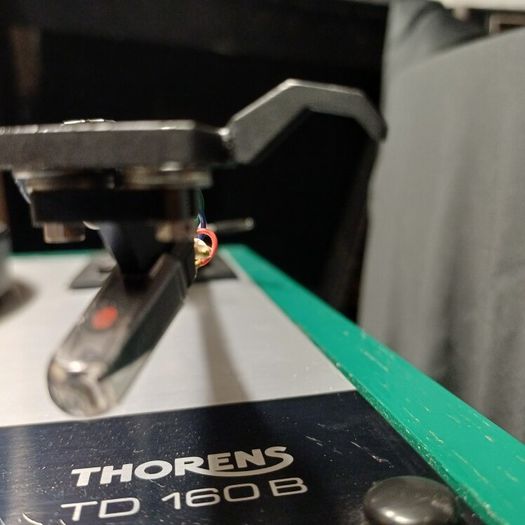
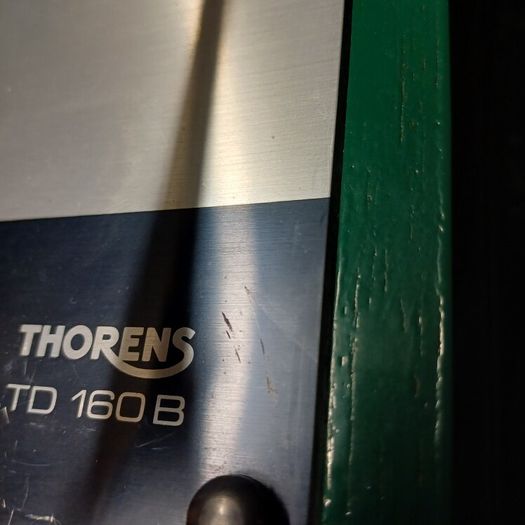
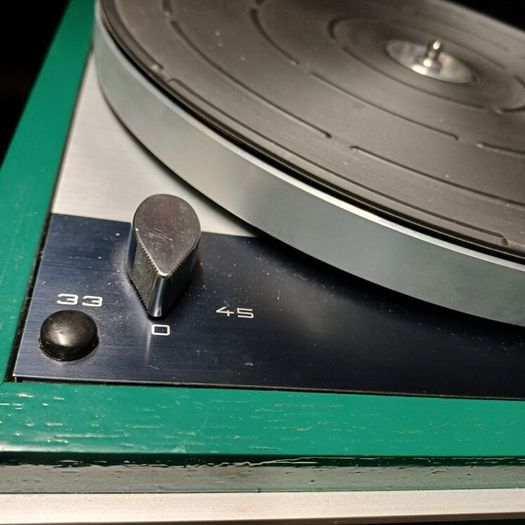
Thorens Td-160b Turntable Upgraded And Serviced With Adc Alt-1 Tonearm Ortofon Stylus Upgraded Power Cord And Rca Cables Racing Green Plinth
Description
Fully serviced and upgraded
No Offers or Time Wasters please
The Thorens TD-160B (most commonly seen in its MkII iteration) is a classic, manual belt-drive turntable from the 1970s sold specifically without a factory tonearm so audiophiles could install their own custom arm. It retains the iconic floating sub-chassis and acoustic isolation of the standard Thorens TD-160 while serving as an open platform for high-end tonearm upgrades.
Key Design & Specifications
Armless Factory Configuration. Unlike the standard TD-160 that shipped with Thorens' own TP16 tonearm, the "B" variant came with a blank or pre-cut armboard. Buyers commonly paired it with third-party tonearms like the SME 3009, Mayware Formula 4, or Rega arms Etc.
Three-Point Floating Sub-Chassis. The main platter bearing and tonearm board sit on a sub-chassis suspended by three adjustable coil springs. This design isolates the stylus from external acoustic feedback and motor rumble. [1, 2]
16-Pole Synchronous Motor. It uses a low-voltage two-phase synchronous motor paired with Thorens' acceleration clutch. The clutch prevents belt stretching during startup and minimizes chassis vibration. [1]
Heavy Two-Piece Platter. A machined zinc-aluminum outer platter rests over an inner sub-platter driven by a flat rubber belt, delivering high rotational inertia and low wow and flutter. [1, 2]
The Thorens TD-160B MkII is a two-speed, manual belt-drive turntable featuring a 16-pole AC synchronous motor, a 3.2 kg die-cast zinc platter, and a three-point floating sub-chassis. Because it shipped without a tonearm or built-in cueing mechanism, final weight and arm geometry depend on whichever third-party arm is installed.
Core Technical Specifications
Specification Details
Drive System 1-step precision flat rubber belt drive with acceleration clutch
Motor 16-pole, two-phase AC synchronous motor (375 RPM at 50 Hz / 450 RPM at 60 Hz)
Speeds 33⅓ and 45 RPM (mechanically switched via belt-guide fork; no pitch control)
Platter 300 mm (12-inch) two-piece non-magnetic die-cast zinc alloy (Zamak), 3.2 kg (7 lbs)
Suspension 3-point conical coil spring floating sub-chassis decoupling platter and armboard
Wow & Flutter < 0.06% (DIN) / ~0.04% (WRMS)
Rumble (Signal-to-Noise) -65 dB weighted (-45 dB unweighted) / 70 dB S/N ratio
Operation Mode Fully manual (no auto-stop, no auto-return, and no factory cueing lever)
Tonearm Provision Blank or pre-cut removable armboard for 9-inch third-party tonearms (e.g., SME 3009, Rega, Mayware)
Power Supply Convertible 110–125 V or 210–240 V AC, 50/60 Hz (~2.5 W to 5 W consumption)
Dimensions (W × D × H) 430 × 360 × 150 mm (approx. 17 × 14.2 × 5.9 inches) with
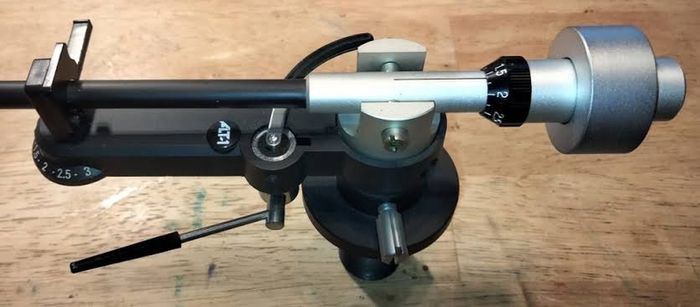
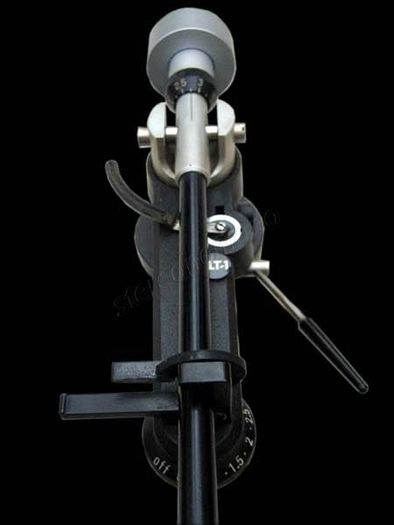
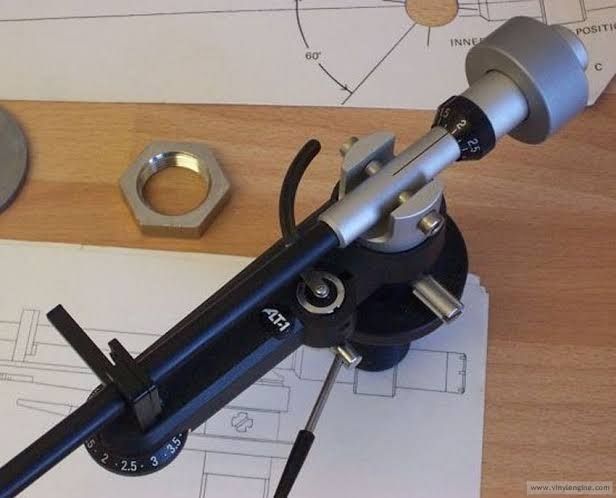
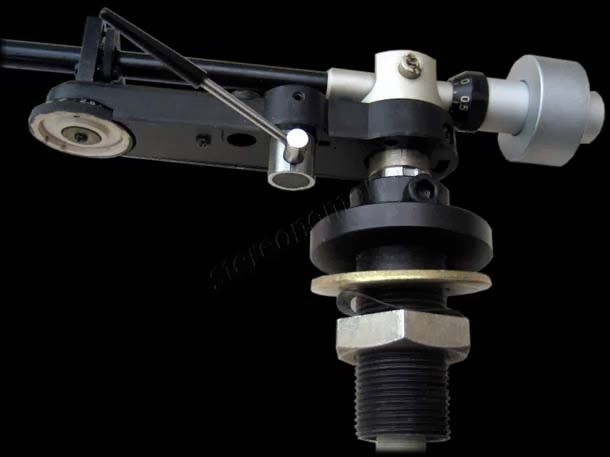
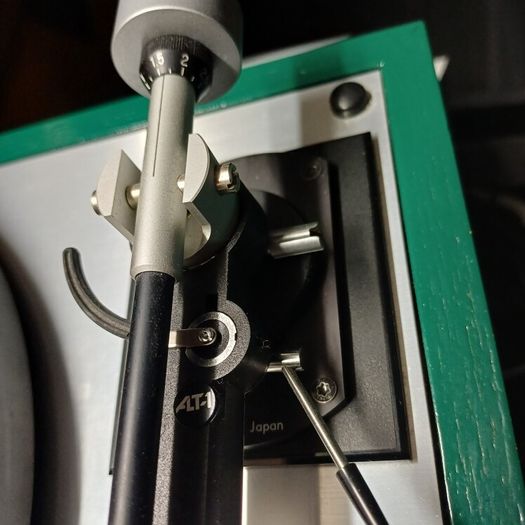
The ADC ALT-1 is a vintage, low-mass tonearm from the late 1970s with an aluminium arm tube and a detachable headshell, it was engineered specifically to pair with high-compliance moving magnet cartridges and was also fitted as standard on turntables like the ADC 1600 and 1700.
Key Specifications
According to the ADC ALT-1, the tonearm features the following measurements and capabilities:
Effective Mass. Weighs 7.0 grams when the counterweight is set for an ADC XLM cartridge.
Pivot to Stylus Length. Measures 237 mm (9.33 inches) with a 19 mm (0.760 inches) stylus tip overhang.
Offset Angle. Set at 24.6 degrees.
Cartridge Compatibility. Supports cartridge weights between 4 and 11 grams.
Tracking Force and Anti-Skate. Both calibrate from 0 to 4 grams.
Headshell and Mounting. Uses a proprietary detachable LMH-1 headshell and mounts via a single 25 mm hole or an SME-compatible sliding base.
Bearings and Damping. Equipped with stainless steel ball bearings and a viscous oil-damped cueing lever. [1,
 Paypal
Asking Price: €475  No swaps
More Similar Ads






See more in our Home Audio category available today