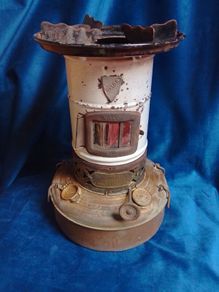
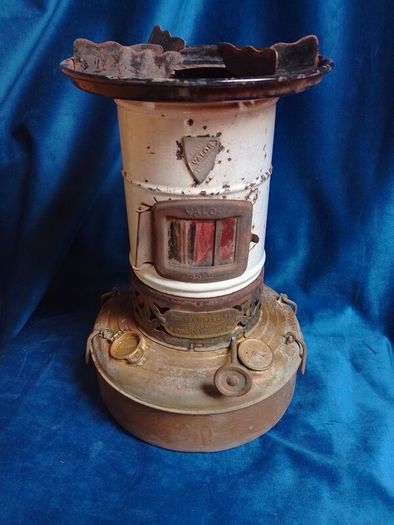
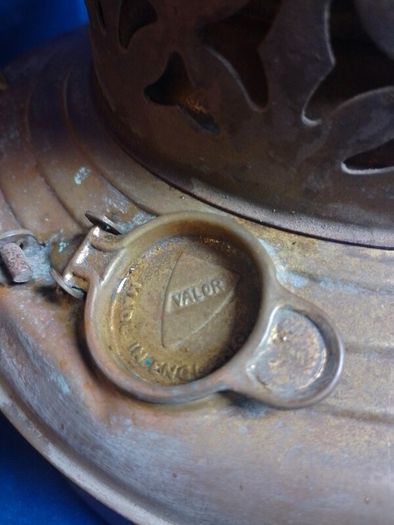
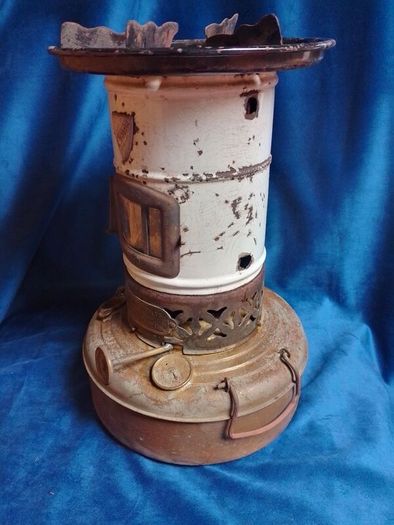
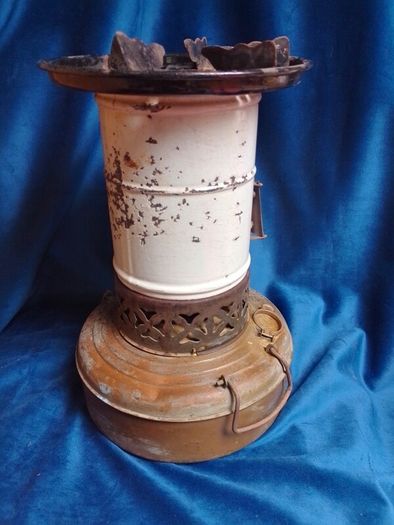
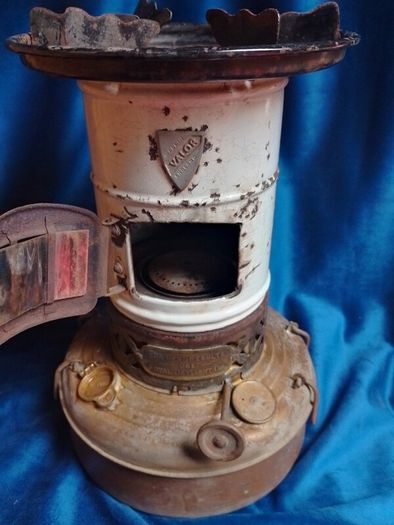
1920s 30s Valor 65-B paraffin stove
- Seller:
- 2t-fruity
- Feedback:
-
352 0
- Location:
- 36 more ads from this seller
- Entered/Renewed:
- 2 hours ago
- Ad Views:
- 79


1920s 30s Valor 65-B paraffin stove
Description
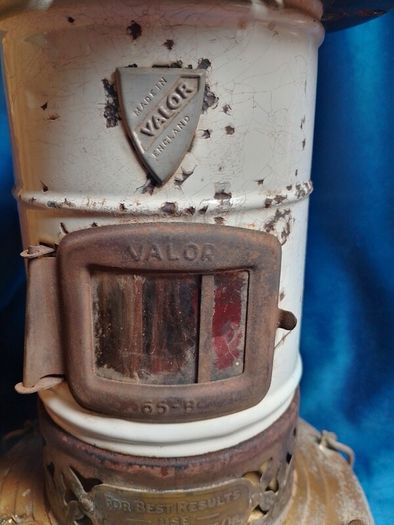
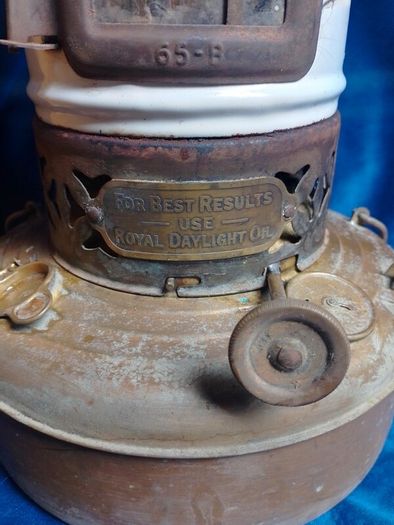
1920s 30s Valor 65-B paraffin stove .
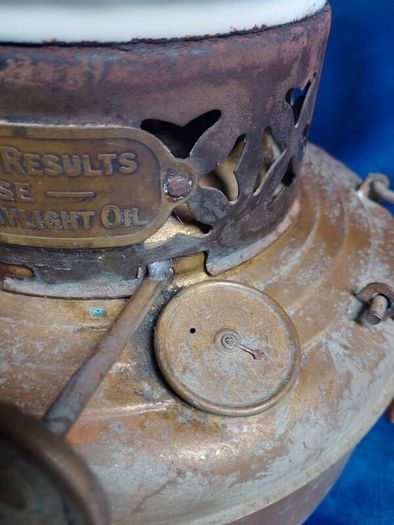
Beautiful patina to this highly desired model.
Postage E13 payment via PayPal or revolut or postal order please.
Details below:
The Valor 65-B is a classic piece of British domestic history. Produced by the famous Valor Company Ltd. of Birmingham, England, this model is a robust, heavy-duty "boiling stove" that was incredibly popular throughout the 1920s, 1930s, and into the World War II era.
Before grid electricity and gas lines were standard in every kitchen, these rugged paraffin (kerosene) stoves were the backbone of rural homes, workshops, allotments, and early camping expeditions.
Here is a breakdown of what makes the Valor 65-B so distinct, especially compared to its smaller siblings:
1. Design & Construction
The "Large Capacity" Workhorse: While Valor made smaller stoves like the 65-S and 65-C, the 65-B was designated as the large-capacity boiling stove. It featured a larger fuel reservoir (font) to allow for longer burn times without needing a refill.
Materials: It typical featured a heavy cast-iron or pressed-steel framework on top to support heavy pots, a brass or japanned-metal fuel tank, and a chimney section often finished in hard-wearing vitreous enamel (usually in classic shades of green, cream, or black).
The Mica Window: Like many Valor models, it featured a tiny window made of mica (a heat-resistant mineral) so you could look inside and check the height and quality of the flame without dismantling the stove.
2. How it Operates (The #500 Wick)
Unlike "pressure stoves" (like the brass Primus stoves that you have to pump up), the Valor 65-B is a wick-delivery atmospheric stove.
It uses a massive, thick cotton wick—specifically the Valor No. 500 wick.
Because it relies on a wick, it burns with a blue-to-yellow flame depending on adjustment. When adjusted perfectly via the winding knob, it acts like a modern gas ring, burning a clean, hot blue flame to minimize smell and soot.
3. Versatility: Cooker & Heater
Though officially marketed as a "boiling stove" meant for boiling kettles, frying, or rendering, it effectively doubled as a space heater. In the chilly 1930s, a family would often leave one running on the floor of a workshop, greenhouse, or kitchen to take the bite out of the winter air.
 Post/Courier Paypal
Asking Price: €60  No swaps
See more in our Other Antiques & Collectables category available today