1st English Edition The Lowly Life and Bitter Passion of Our Lord Jesus Christ
- Seller:
- ildikom2006
- Feedback:
- Location:
- Entered/Renewed:
- 1 year ago
- Ad Views:
- 3,324



1st English Edition The Lowly Life and Bitter Passion of Our Lord Jesus Christ
Description
1st English Edition The Lowly Life and Bitter Passion of Our Lord Jesus Christ
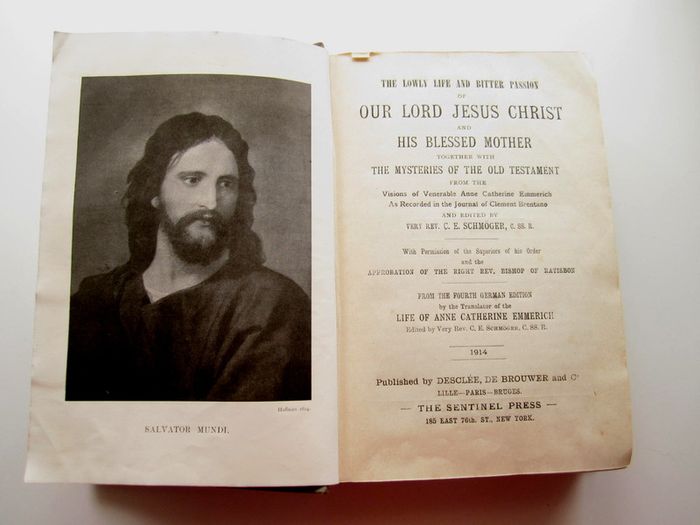
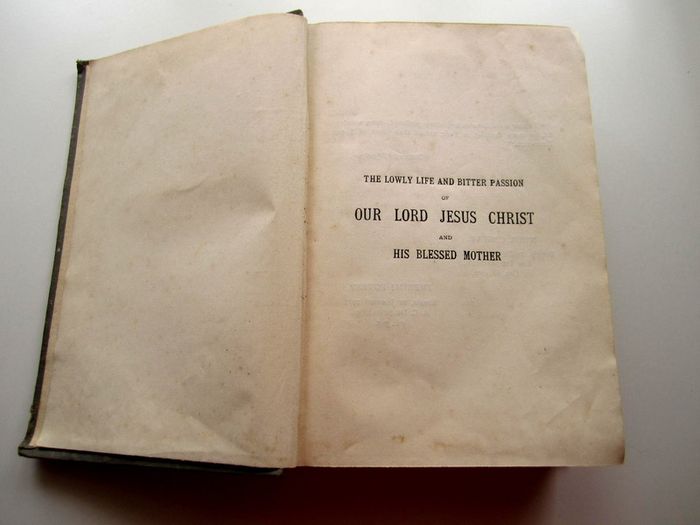
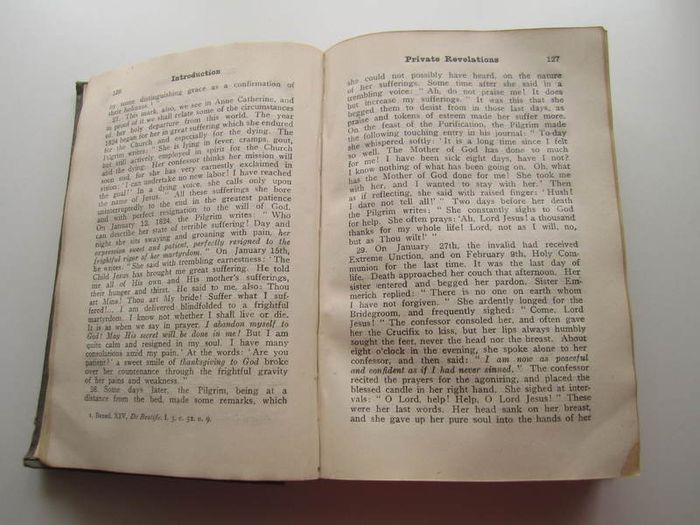
The Lowly Life and Bitter Passion of Our Lord Jesus Christ and His Blessed Mother Together with the Mysteries of the Old Testament
From the visions of venerable Anne Catherine Emmerich
As recorded in the Journal of German Poet Clement Bretano and edited by Very Rev C.E.Schmoger, C SS R
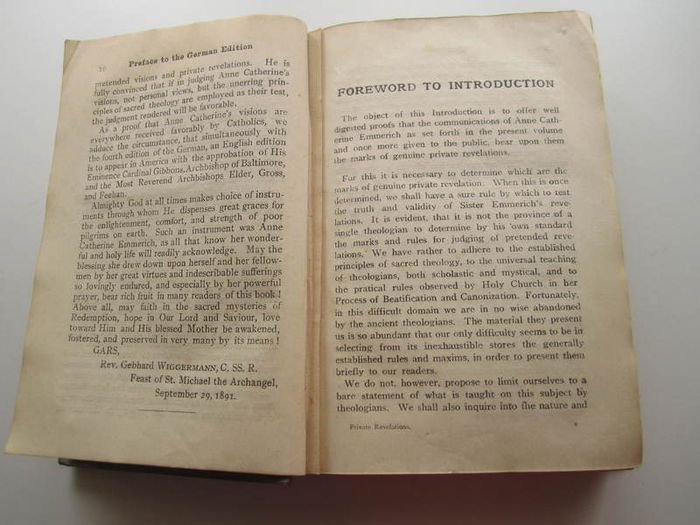
From the forth German Edition
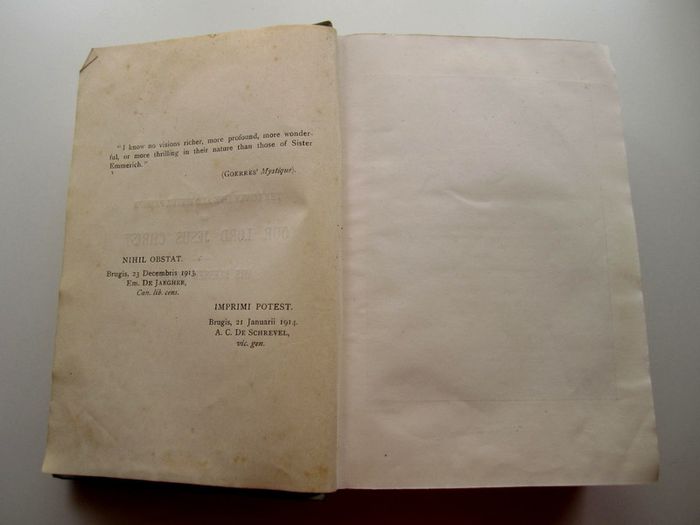
Believed to be 1st English Edition according to foreword
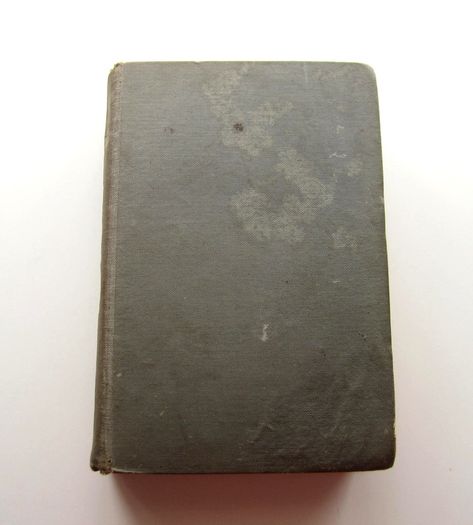
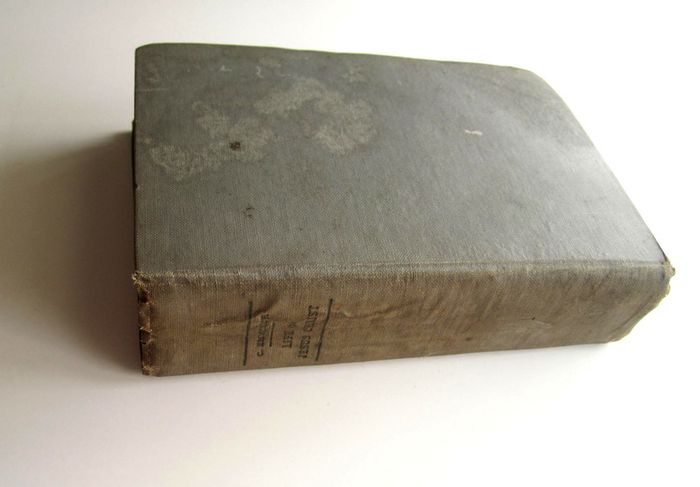
Rare Book, collector’s item
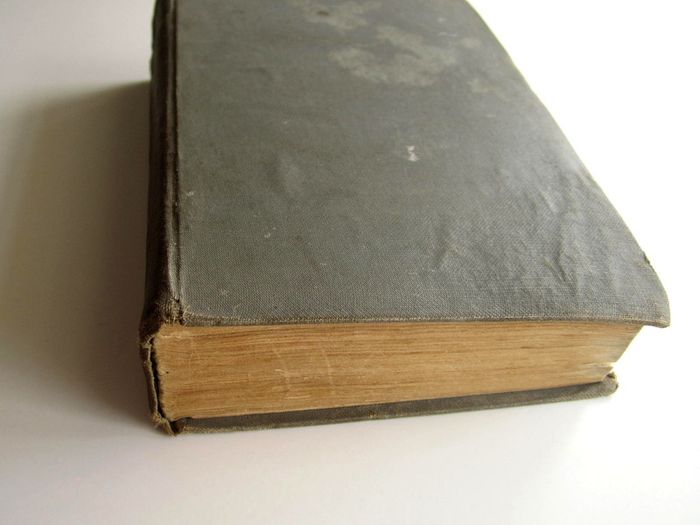
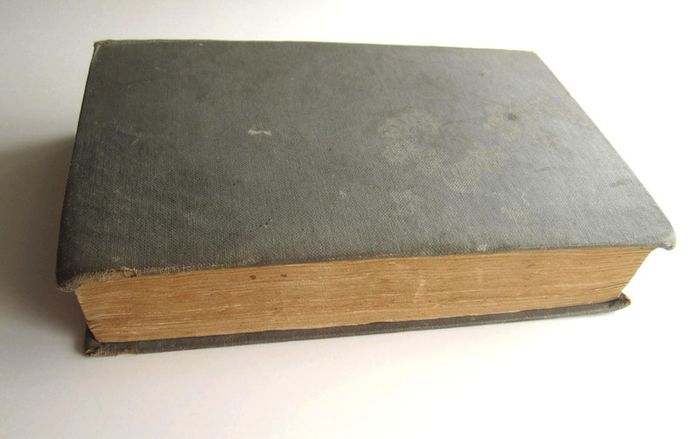
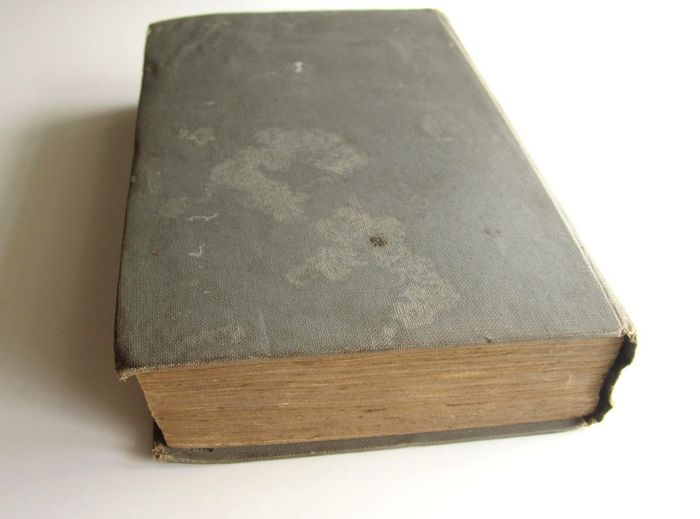
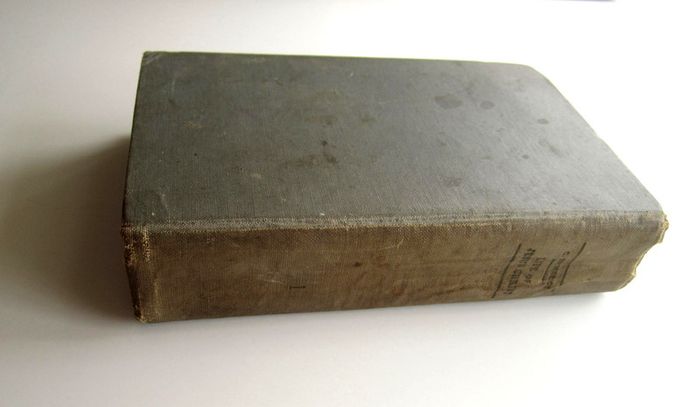
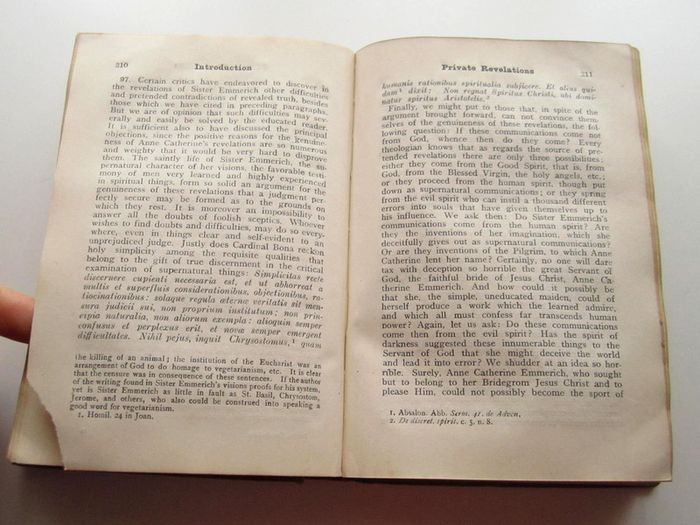
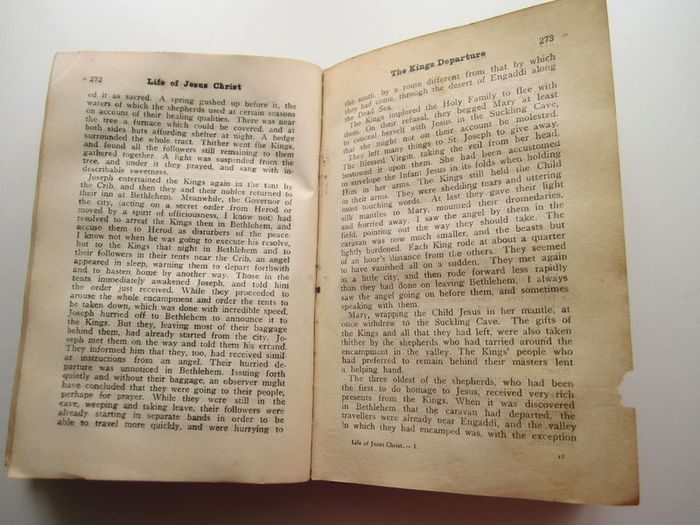
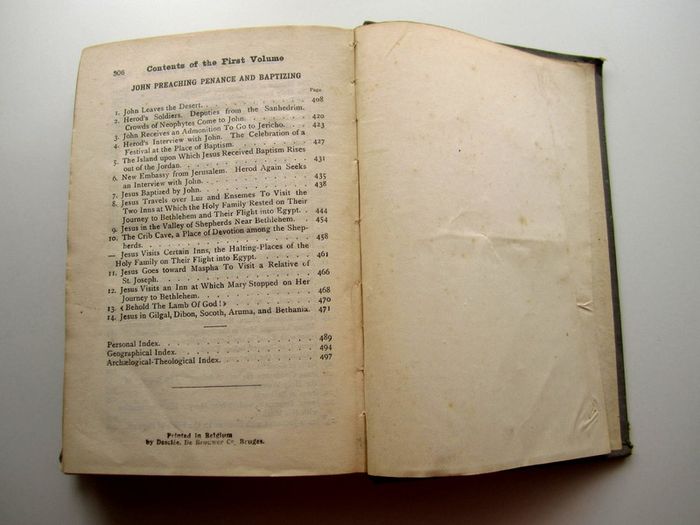
Poor condition, some wear and tear, please view all pictures carefully as they form an important part of the description.
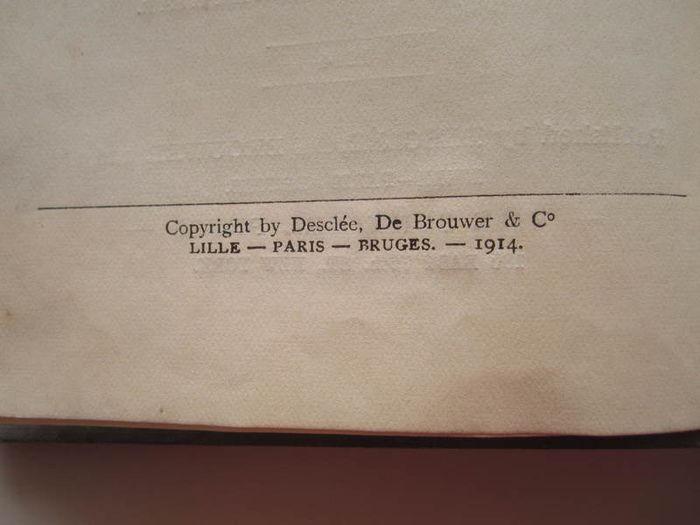
Published by Desclee De Brouwer and C Little Paris Bruges
The Sentinel Press
185 East 76th St New York
Printed in Belgium in 1914
Page 4 of the book features the head portrait from a picture of Christ and the Rich Young Ruler, 1889 (also known as “Christ at Thirty-Three”) marked “Hofman 1824, Salvator Mundi.” (see picture); the original painting was painted by German artist Johann Michael Ferdinand Heinrich Hofmann (19 March 1824 – 23 June 1911) at present kept in Riverside Church, New York. The original painting by was purchased by Rockefeller Jr. and donated to the church in November 1930 and is displayed in the building, in the assembly hall beneath the nave, and are usually locked within the cabinets there.
About Anne Catherine Emmerich
Anne Catherine Emmerich was born on September 8th, 1774, at Flamske, near Koesfeld, Westphalia, in West Germany, and became a nun of the Augustinian Order on November 13th, 1803, in the Convent of Agnetenberg at Dülmen (also in Westphalia). She died on February 9th, 1824. Although of simple education, she had perfect consciousness of her earliest days and could understand the liturgical Latin from her first time at Mass.
During most of her later years she would vomit up even the simplest food or drink, subsisting for long periods almost entirely on water and the Holy Eucharist. She was told in mystic vision that her gift of seeing past, present and future was greater than that possessed by anyone else in history.
From the year 1812 until her death, she bore the stigmata of Our Lord, including a cross over her heart and wounds from the crown of thorns. Though Anne Catherine Emmerich was an invalid confined to bed during her later years, her funeral was nevertheless attended by a greater concourse of mourners than any other remembered by the oldest inhabitants of Dülmen.
Her mission in life seems to have been to suffer in expiation for the godlessness that darkened the "Age of Enlightenment" and the era of the Napoleonic wars, a time during which she saw her convent closed and her Order suppressed by Napoleon.
During the last five years of her life the day-by-day transcription of her visions and mystical experiences was recorded by Clemens Brentano, poet, literary leader, friend of Goethe and Görres, who, from the time he met her, abandoned his distinguished career and devoted the rest of his life to this work.
Scandals: (refer to Wikipedia)
Clemens Brentano's visits
At the time of Emmerich's second examination in 1819, Brentano visited her and she immediately recognized him. He claimed that she told him he was sent to help her fulfill God's command, to express in writing the revelations made to her. Brentano became one of Emmerich's many supporters at the time, believing her to be a "chosen Bride of Christ". Professor Andrew Weeks claims that Brentano's own personal complexes were a factor in substituting Emmerich as a maternal figure in his own life.[3]
From 1819 until Emmerich's death in 1824, Brentano filled many notebooks with accounts of her visions involving scenes from the New Testament and the life of the Virgin Mary. Because Emmerich only spoke the Westphalian dialect, Brentano could not transcribe her words directly, and often could not even take notes in her presence,[8] so he would quickly write in standard German when he returned to his own apartment a set of notes based on what he remembered of the conversations he had with Emmerich.[8] Brentano edited the notes later, years after the death of Emmerich.[8]
About ten years after Emmerich had recounted her visions, Brentano completed editing his records for publication.[8] In 1833, he published his first volume, The Dolorous Passion of Our Lord Jesus Christ According to the Meditations of Anne Catherine Emmerich. Brentano then prepared The Life of the Blessed Virgin Mary from the Visions of Anna Catherine Emmerich for publication, but he died in 1842. The book was published posthumously in 1852 in Munich.
Catholic priest Father Karl Schmoger edited Brentano's manuscripts and from 1858 to 1880 published the three volumes of The Life of Our Lord. In 1881, a large illustrated edition followed. Schmoger also penned a biography of Anne Catherine Emmerich in two volumes that has been republished in English language editions.
The Vatican does not endorse the authenticity of the books written by Brentano. However, it views their general message as "an outstanding proclamation of the gospel in service to salvation". [11]Other critics have been less sympathetic and have characterized the books Brentano produced from his notes as "conscious elaborations of an overwrought romantic poet".[3]
Brentano wrote that Emmerich said she believed that Noah's son Ham was the progenitor of "the black, idolatrous, stupid nations" of the world. The "Dolorous Passion" is claimed to reveal a "clear antisemitic strain throughout",[12] with Brentano writing that Emmerich believed that "Jews ... strangled Christian children and used their blood for all sorts of suspicious and diabolical practices"[13]
Allegations of partial fabrication by Brentano
When the case for Emmerich's beatification was submitted to the Vatican in 1892, a number of experts in Germany began to compare and analyze Brentano's original notes from his personal library with the books he had written.[4] The analysis revealed various apocryphal biblical sources, maps and travel guides among his papers, which could have been used to enhance Emmerich's narrations.[4]
In his 1923 theological thesis, German priest Winfried Hümpfner, who had compared Brentano's original notes to the published books, wrote that Brentano had fabricated much of the material he had attributed to Emmerich.[5][14]
By 1928, the experts had come to the conclusion that only a small portion of Brentano's books could be safely attributed to Emmerich.[4][5]
At the time of the Emmerich's beatification in 2004, the Vatican position on the authenticity of the Brentano books was elucidated by priest Peter Gumpel, who was involved in the study of the issues for the Congregation for the Causes of the Saints: "It is absolutely not certain that she ever wrote this. There is a serious problem of authenticity".[5][9][10] According to Gumpel, the writings attributed to Emmerich were "absolutely discarded" by the Vatican as part of her beatification process
 Post/CourierTo be arranged PaypalBank transferTo be arranged
Asking Price: €225  No swaps
See more in our Other Antiques & Collectables category available today