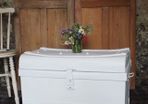
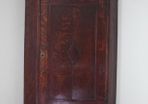
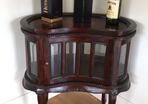
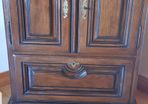
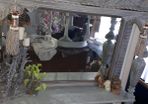
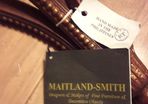
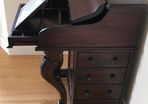
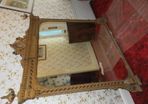
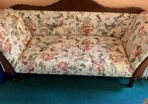
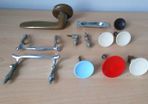
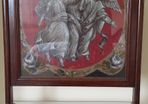
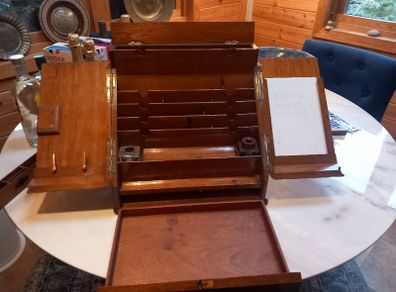
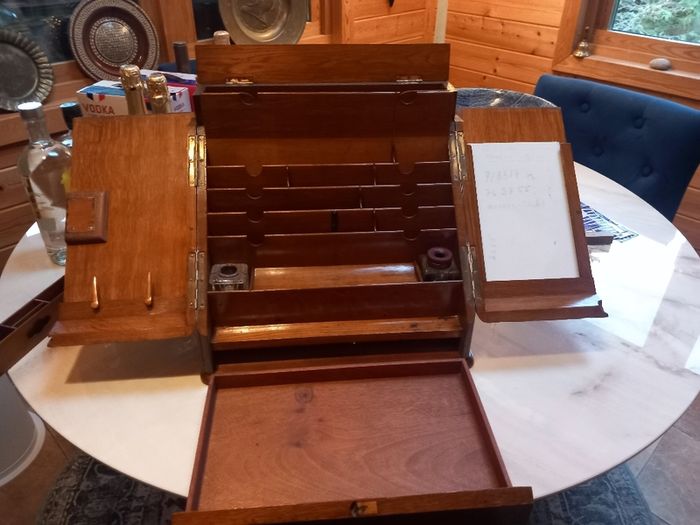
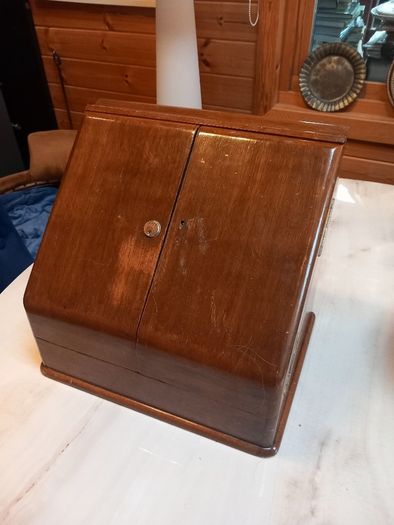
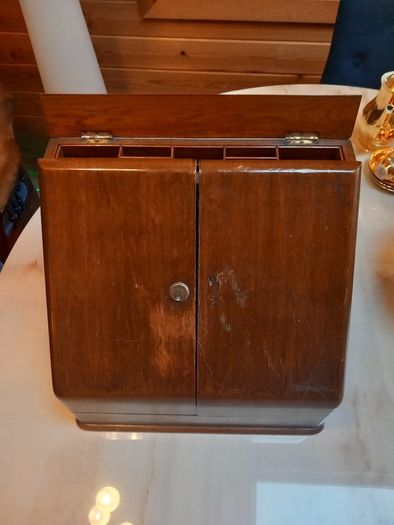
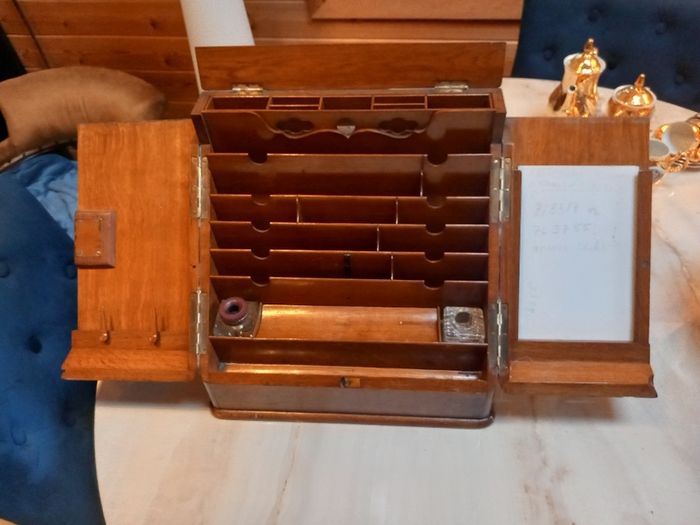
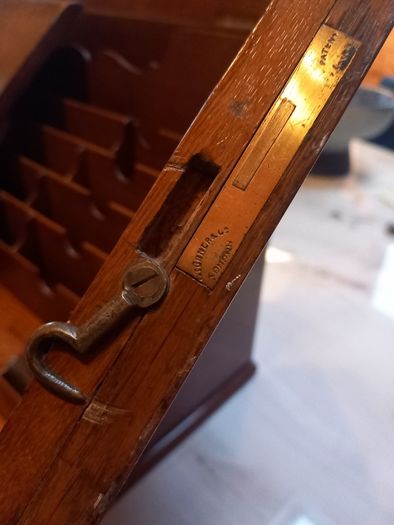
Antique Thomas Turner of London stationery cabinet, lovely piece, 1840s, D18
- Seller:
- dublintimmy
- Feedback:
- Location:
- 202 more ads from this seller
- Entered/Renewed:
- about a day ago
- Ad Views:
- 154


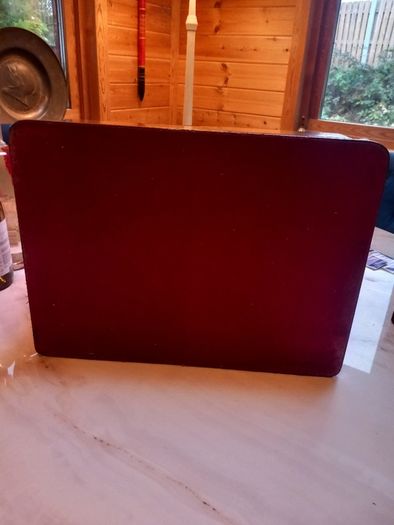
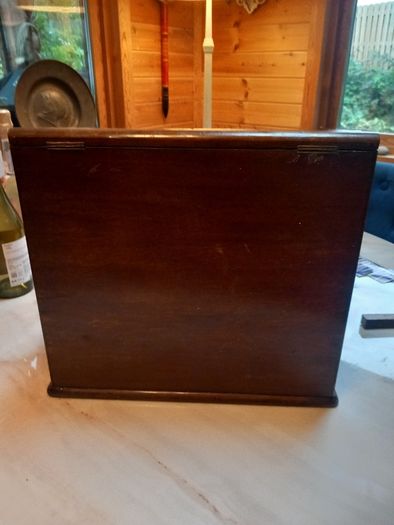
Antique Thomas Turner of London stationery cabinet, lovely piece, 1840s, D18
Description
Photos are my own.
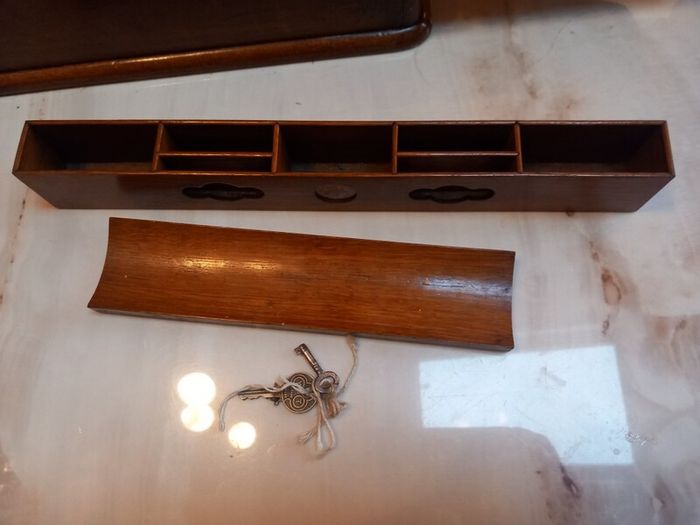
There are 2 keys but neither work.
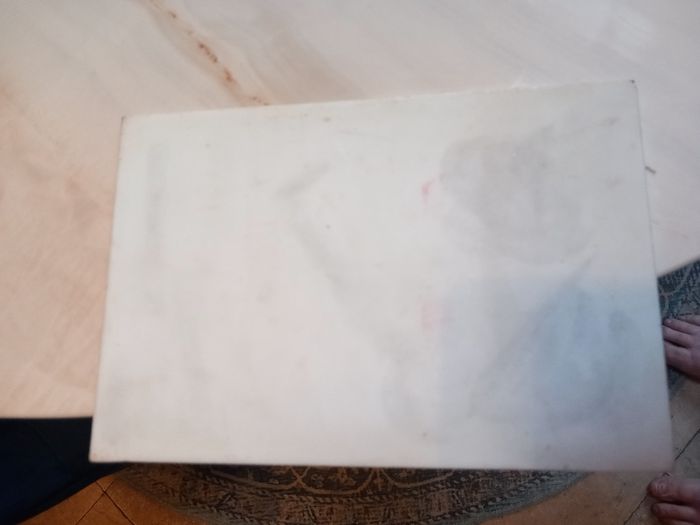
Rare to have it with the writing white piece.
Please look through all the photos before making an offer or asking a question.
Collection from Kilternan, D18, a true beauty.
Any questions, please ask.
Thanks,
Timothy
Thomas Turner’s contributions to the realm of furniture craftsmanship during the early 19th century have left a lasting impression on English heritage, particularly in the royal households. Operating from his prestigious location at 139 New Bond Street, London, between 1809 and 1845, Turner’s pieces are celebrated for their elegance and refined craftsmanship.
Early Commissions and Royal Appointments
The partnership of Henry & Thomas Turner was established by 1809, and by 1816, they had already begun to garner the attention of notable figures, such as Sir Henry Carr Ibbetson. Their work for Ibbetson, costing £144 11s 6d, still graces the halls of Constable Burton Hall in Yorkshire, a testament to their early craftsmanship. Thomas Turner was later appointed as the Upholsterer and Cabinet Manufacturer to His Royal Highness the Duke of Clarence, an honor proudly declared on his business letterheads, alongside a range of services from funerals to decorations.
Distinguished Royal Patrons
Over the following decades, Turner’s clientele included the highest echelons of British royalty, furnishing palaces with custom pieces that combined functionality with ornate aesthetics:
St. James’s Palace (1831): Among the items supplied were a mahogany oval foot tub, several rosewood and mahogany chairs, and a Pembroke table, illustrating Turner’s range in working with different wood types.
Brighton Pavilion (Early 1830s): Turner provided japanned chairs and carried out maintenance and upholstery work, showcasing his versatility in both crafting and care.
Windsor Castle (1832-1835): Noteworthy contributions include Spanish mahogany dwarf wardrobes and extensive orders for the royal apartments, which included sofas and chairs in English gothic style and occasional tables in brown Morocco leather.
The Queen’s Personal Furnishings
The meticulous records from Windsor Castle in June 1833 reveal Turner’s direct involvement in creating pieces for Queen Adelaide’s personal use. These included a Spanish mahogany washing table, a kneehole dressing table, and various mahogany items ranging from writing tables to linen airers, highlighting his bespoke service tailored to royal preferences.
Innovations and Modifications
By the mid-1830s, Turner adapted existing furniture to new styles, as seen with the transformation of ten Gothic sofas into the Elizabethan style for the Waterloo apartments at Windsor Castle. This ability to modify and enrich furniture not only extended its life but also aligned it with evolving interior design trends.
ENDS
 PaypalBank transfer
Asking Price: €950  No swaps
See more in our Other Furniture category available today