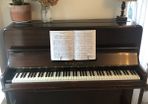
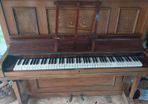
Petrof Upright Piano Delivered
- Seller:
-
cormie
Top Seller

- Feedback:
- Location:
- 11 more ads from this seller
- Entered/Renewed:
- 2 weeks ago
- Ad Views:
- 3,853


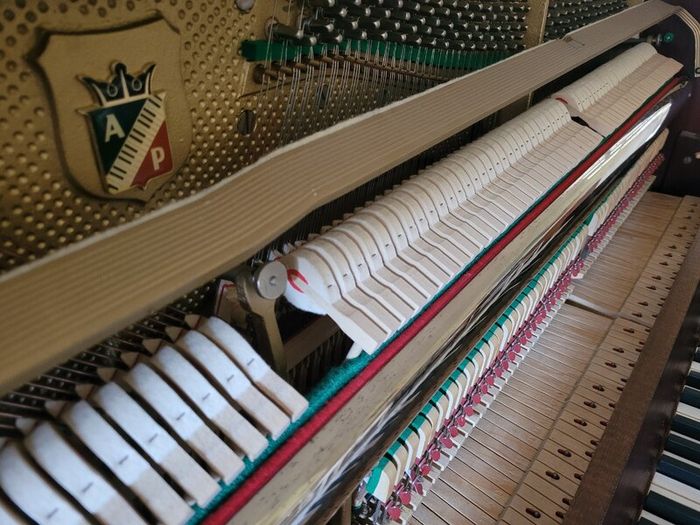
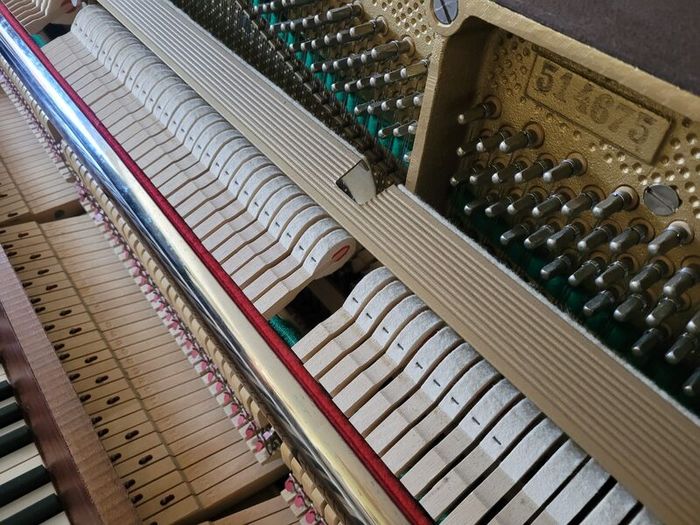
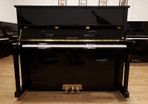
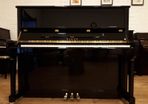
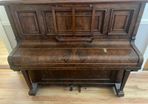
Petrof Upright Piano Delivered
Description
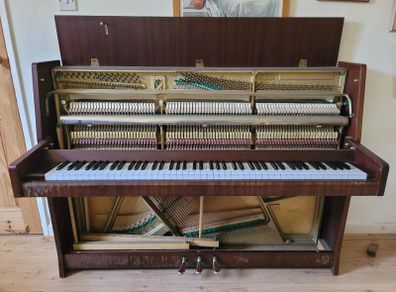
Founded in 1864 Petrof is a renowned manufacturer of quality pianos from Europe. They are known for producing a lovely tone with a beautiful touch.
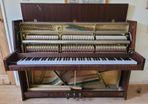
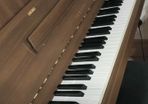
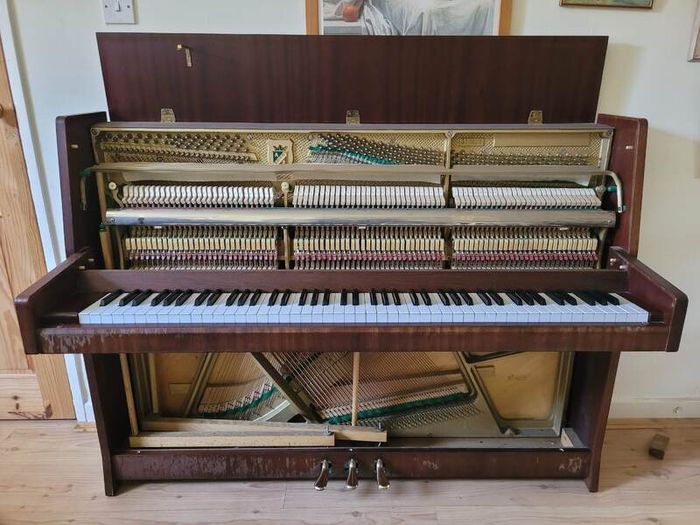
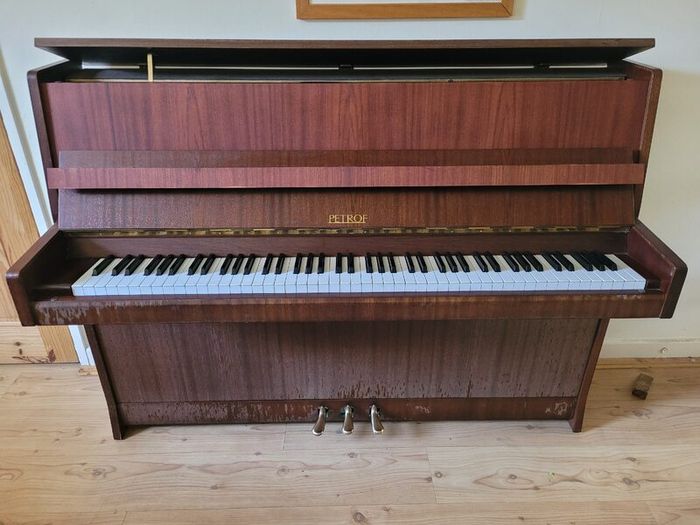
This model, manufactured in circa 1992 has a full 88 note keyboard and as with the majority of newer pianos, has a third practice pedal fitted.
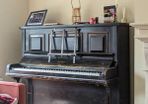
This is a lovely piano, sure to stand out in any setting and suitable for both musicians and students.
This was tuned on 21/03/25 before listing for sale to a bright and vibrant sound. All keys and pedals are working. A video of this piano being played after tuning can be seen here:
https://youtu.be/YOxIHuJ10rQ
The configuration is Underdamped and Overstrung, both features of higher quality pianos.
Dimensions
Height 1065mm
Width 1435mm
Depth 545mm
Price includes ground floor delivery within 10km of Bray, Co. Wicklow, with taker providing assistance for collection and delivery. Delivery beyond this or additional assistance would entail additional costs. Professional, experienced delivery with specialist equipment.
 Delivery To be arranged
I would like to try the piano out first please. I'm based in Greystones and can help with delivery

It's got a cast iron frame which is more suitable in pianos than steel:
Strength & Stability: Cast iron is incredibly rigid and stable under tension, which is essential for holding the 15–20 tonnes of string tension in a piano.
Acoustic Properties: It dampens vibrations better than steel, helping isolate the soundboard and improve tonal clarity.
Manufacturing Tradition: Petrof, like most European piano makers, used wet sand casting for their iron plates, a method that produces dense, durable frames with excellent resonance control.
Why not steel? Steel is stronger per unit weight, but it’s more flexible and prone to vibration—undesirable in piano construction. It’s used for strings, not the frame.


After this, a technician came to inspect the piano on behalf of somebody who was interested in buying it. He has said to get it perfect, including getting it to A440 concert pitch, he would need two visits including working on the action. This would have a total cost of around €650.
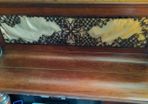
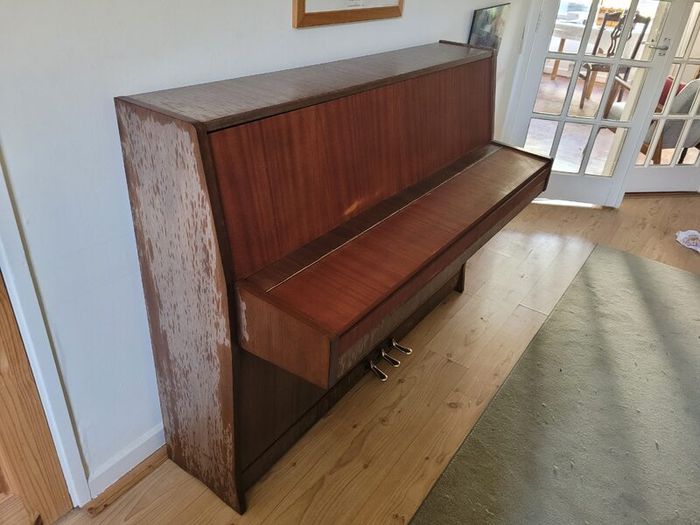
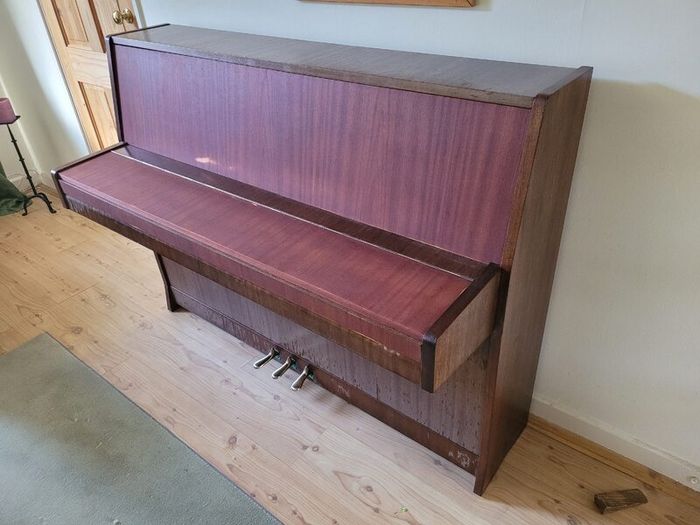
The technician confirmed the discolouration doesn't in any way affect the performance of the piano.
He suggested a price given these requirements of €1,200 so that's what my asking price is.
I'd think even if you got a piano delivered and tuned for €2,000, it's unlikely to match the quality of a Petrof, which you'll get to that same state for less than €2,000 other than the finish.
Asking Price: €1,200  No swaps
More Similar Ads
See more in our Pianos category available today