Valerian officinalis plant medicinal plant
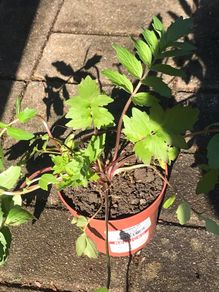
- Seller:
-
goldenlion
Top Seller

- Feedback:
-
52 0
- Location:
- 12 more ads from this seller
- Entered/Renewed:
- 1 week ago
- Ad Views:
- 98
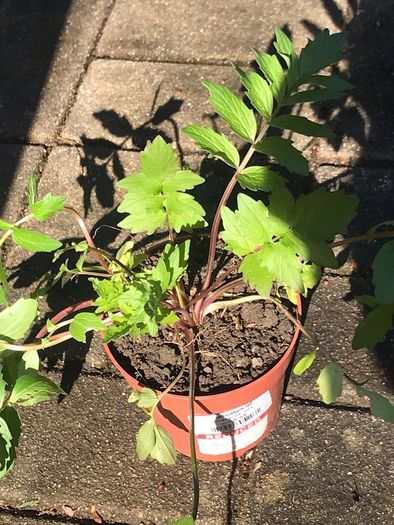
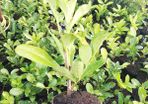
Valerian officinalis plant medicinal plant
Description
Valerian - medicinal plant
Cats love their roots (˶‾᷄ ⁻̫ ‾᷅˵)
Benefits for pollinators
Great for wild garden
Valerian (Valeriana officinalis) is a perennial plant known for its use in herbal medicine, particularly as a natural remedy for anxiety and sleep disorders. Beyond its medicinal uses, valerian also offers several benefits to wildlife:
Attracts Pollinators: Valerian flowers produce a sweet fragrance that attracts a variety of pollinators, including bees, butterflies, and other beneficial insects. These pollinators are essential for the health of many ecosystems and contribute to the pollination of other plants.
Habitat and Food Source: The leaves and flowers of the valerian plant provide habitat and food for various insect species. Small herbivores might also feed on the foliage, contributing to the area's biodiversity.
Support for Beneficial Insects: By attracting beneficial insects, valerian can help create a balanced ecosystem. These beneficial insects can naturally control pest populations, reducing the need for chemical pesticides.
Soil Health: Valerian can help improve soil health through its root structure, which can prevent erosion and enhance soil stability. Healthy soil supports various life forms, including microorganisms essential for nutrient cycling.
Biodiversity: The presence of valerian in a garden or natural area can contribute to plant diversity, which is crucial for maintaining healthy ecosystems. Diverse plant life supports a variety of animal species and contributes to resilience against environmental changes.
Medicinal Use for Animals: While valerian is primarily known for its effects on humans, some anecdotal evidence suggests that it may have calming effects on certain animals, including pets like dogs and cats.
Aesthetic Value: Valerian plants can enhance the visual appeal of natural habitats and gardens, attracting a variety of wildlife that contributes to ecosystem health.
By planting valerian and other native plants, individuals can create wildlife-friendly environments that promote biodiversity and support local ecosystems.
 To be arranged
Asking Price: €3  No swaps
See more in our Plants & Trees category available today