Bang & Olufsen / Audio Visual System
- Seller:
-
.Socrates.
Top Seller

- Feedback:
- Location:
- 59 more ads from this seller
- Entered/Renewed:
- 46 minutes ago
- Ad Views:
- 201


Bang & Olufsen / Audio Visual System
Description
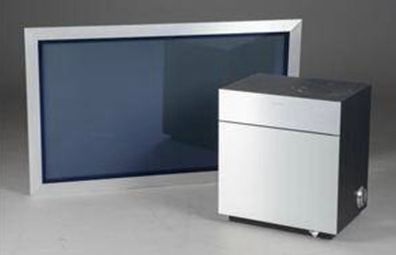
B&O AV System includes:
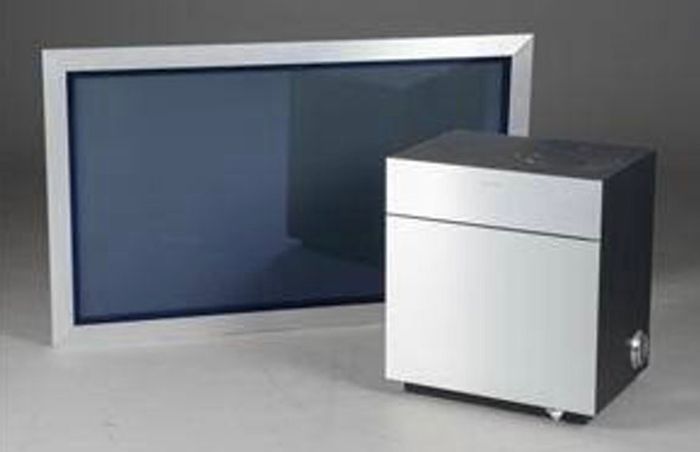
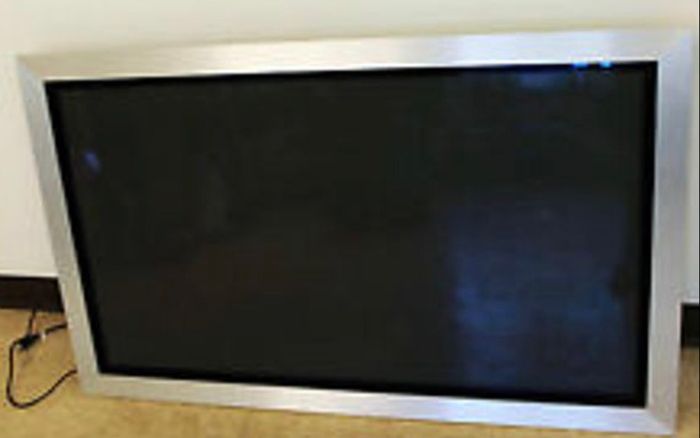
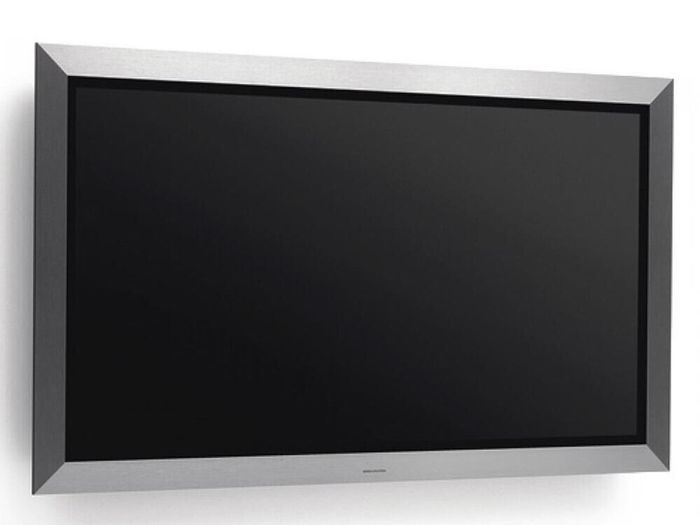
◦ B&O BeoVision 4 - 42”
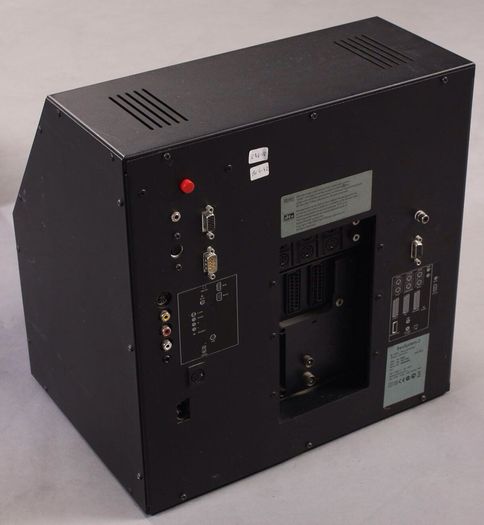
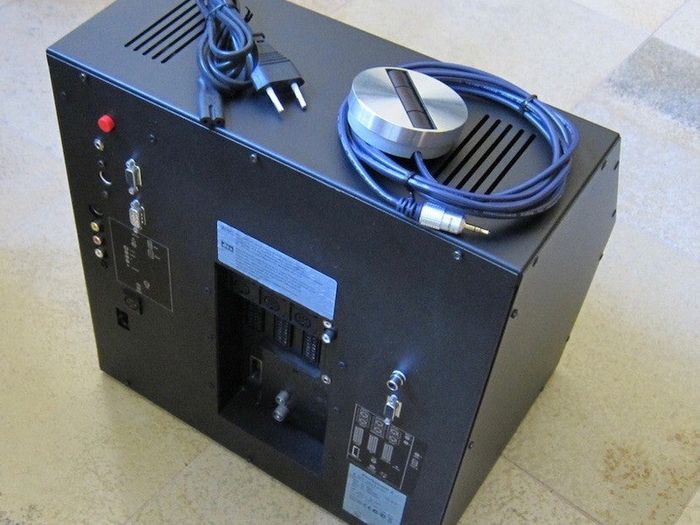
◦ B&O BeoSystem 2 Central AV Master Processor and Control Hub
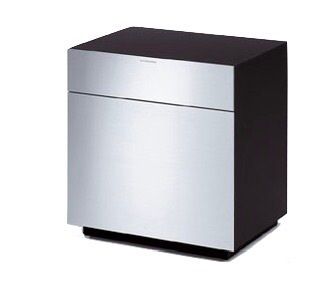
◦ B&O Brushed Aluminium Cabinet (Type 2168) Designed for the BeoSystem 2
◦ B&O BeoSystem 2 IR Commander System
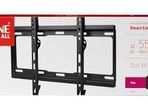
◦ B&O Specialised Bang & Olufsen TV Brackets
The BeoVision 4 - 42” is a high-end plasma display panel originally launched by Bang & Olufsen in Spring 2004. Built specifically as a modular system, it is an independent monitor that lacks a built-in tuner, processing, or inputs. Instead, it relies completely on an external processor—such as the BeoSystem 2—to handle video processing, audio decoders, and device connections.
System Integration & The Media Wall Cabinet
The BeoVision 4-42” pairs seamlessly with the Brushed Aluminium Cabinet (Type 2168) designed for the BeoSystem 2:
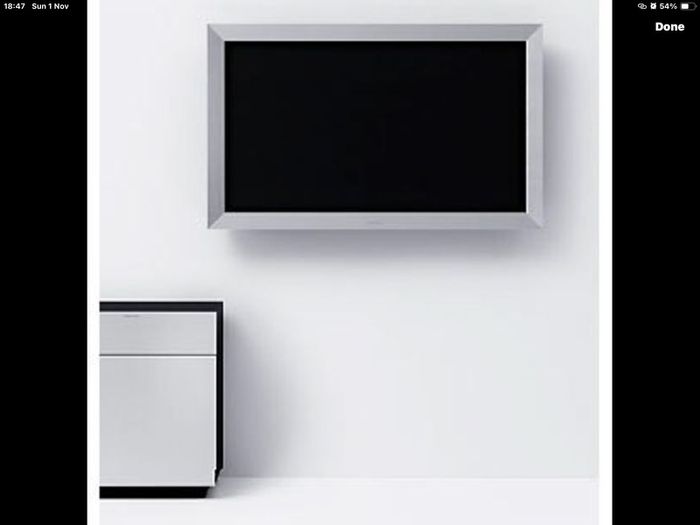
* The Concept: The BeoVision 4 plasma screen is mounted directly to the wall using specialized B&O brackets. The BeoSystem 2 control unit sits tucked inside the Type 2168 cabinet underneath or nearby, creating a completely clean, wire-free visual aesthetic.
Designed to be used with BeoVision 4 to accommodate BeoSystem 2 and one set-top box or other DVD/VCR source.
The Bang & Olufsen cabinet designed specifically for the BeoSystem 2 (Type Number 2168) features a silver/brushed aluminium finish and is engineered to house the BeoSystem 2 unit alongside a set-top box, DVD, or VCR source.
Compatibility: Made for use alongside a BeoVision 4 setup to accommodate the BeoSystem 2 control unit and one auxiliary source (such as a DVD player, VCR, or digital set-top box).
Key Specifications (42-Inch Model)
* Display Technology: Plasma panel featuring an anti-reflection coated contrast glass front and B&O's proprietary VisionClear picture optimization.
* Aesthetic Finish: Brushed aluminium bezel trim frame available in signature Silver, Black, or Dark Grey to tie into classic B&O styling.
* Resolution Evolution: Depending on the specific manufacturing year block between 2004 and 2007, the 42" panels shipped either as Standard Definition (EDTV 852x480 resolution) or upgraded High Definition ready variants (WXGA panels) capable of scaling 480p, 720p, and 1080i video signals.
* Connectivity: Video signals are passed from the BeoSystem unit to the display panel via discrete multi-cable umbilical feeds (typically utilizing heavy RGB/BNC or early DVI architecture depending on the Mark variant of the hardware).
Specialised Bang & Olufsen TV Brackets
The BeoSystem 2 is the central AV master processor and control hub designed by David Lewis for Bang & Olufsen. Released in 2004, it was engineered primarily to act as the "brains" for the modular BeoVision 4plasma displays, which lacked internal tuners, inputs, or sound processing. By shifting all complex hardware into the BeoSystem 2, B&O allowed the screen to remain ultra-slim and completely wire-free.
Core Functions & Audio Hub:
* Surround Sound Engine: It features integrated Dolby Digital 5.1, DTS, and Dolby Pro-Logicdecoding.
* Active Speaker Distribution: It is equipped with 6 specialized Power Link outputs. This allows direct connection and control for up to five active BeoLab speakers (Left, Right, Center, Surround Left, Surround Right) and a dedicated BeoLab subwoofer.
* System Integration: It utilizes the Master Link platform. This makes it the "Video Master" of a home setup, allowing it to distribute television sound or auxiliary source video to other rooms via a connected B&O Beolink network.
Physical Architecture & Cabinet 2168 Hookup:
* The Dual-Compartment Layout: The unit itself measures 325 x 370 x 265 mm and weighs 11.8 kg. When paired with the matching Type 2168 Brushed Aluminium Cabinet, the BeoSystem 2 slides into a specialized, hidden lower bay accessible strictly from the back of the furniture. The front of the cabinet opens into a drop-down drawer meant to slide in a secondary, front-facing source device like a DVD1 player or digital set-top box.
* Inputs & Connectivity: Built for the mid-2000s AV standard, it features an extensive array of analog and early digital ports:
* Video: Multiple AV-SCART inputs, S-VHS, and composite video options.
* Audio: Coaxial digital phono inputs alongside standard analog stereo configurations.
* Control: Includes an integrated Peripheral Unit Controller (PUC) with IR-blaster outputs, allowing a standard B&O Beo4 remote control to seamlessly command up to two third-party digital cable boxes or media players.
The "IR Commander" system for the BeoSystem 2 refers to the infrared setup used to control both the B&O system itself and third-party equipment (like media players or cable boxes) hidden inside your media cabinet.[1]
Depending on exactly what you are trying to hook up, you are likely looking at one of two distinct cables:
1. The External IR Receiver Eye (For Controlling the B&O System)
Because the BeoSystem 2 sits tucked away inside the Type 2168 Aluminium Cabinet, it cannot see the signals from your Beo4 remote control.
* The Cable: A small round "IR Eye" sensor node on a long cord.
* Connection: It plugs directly into the "IR IN" socket on the back of the BeoSystem 2.
* Placement: The sensor eye is fed out of the cabinet and mounted cleanly on top of the cabinet or on the wall near your BeoVision 4 screen. It handles your primary remote commands and monitors ambient room light to adjust the screen's VisionClear picture settings.
2. The STB / PUC IR Blaster Cable (For Controlling Third-Party Gear)
If you want to place a non-B&O device (like an Apple TV, DVD player, or satellite box) inside the front drawer of the media cabinet, the BeoSystem 2 can command it using its built-in Peripheral Unit Controller (PUC).
* The Cable: Known as an STB / PUC IR Blaster or transmitter cable. It features a 3.5mm jack on one end and a tiny infrared LED emitter bulb on the other.
* Connection: The 3.5mm jack plugs into the PUC / STB output sockets on the back of the Beosystem 2.
* Placement: You run the wire into the cabinet drawer and stick the tiny LED bulb directly over the infrared sensor window of your third-party device.
 To be arranged PaypalTo be arranged
Asking Price: €245  No swaps
See more in our TV category available today