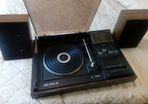
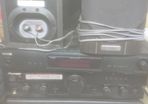
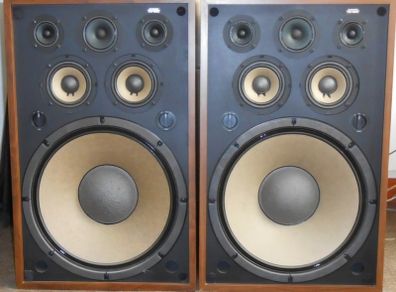
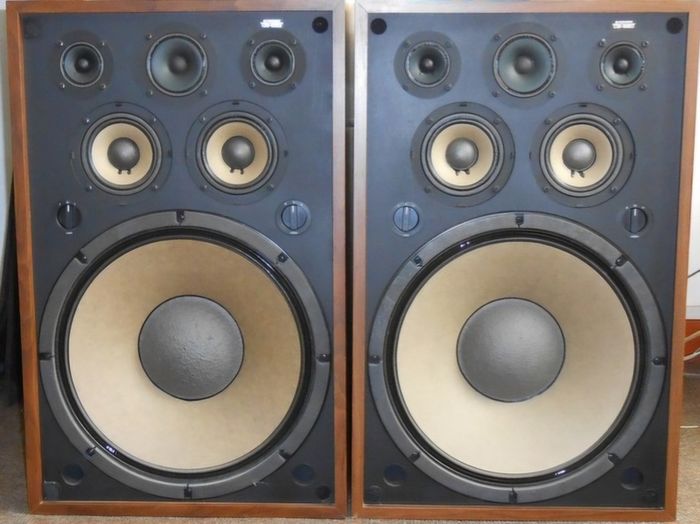
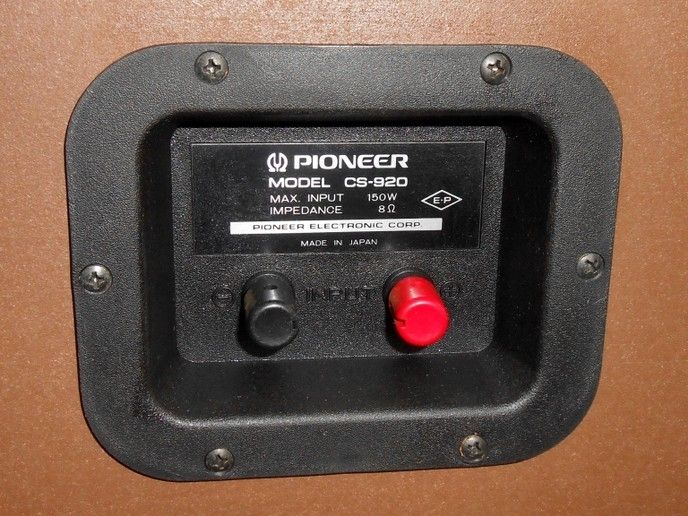
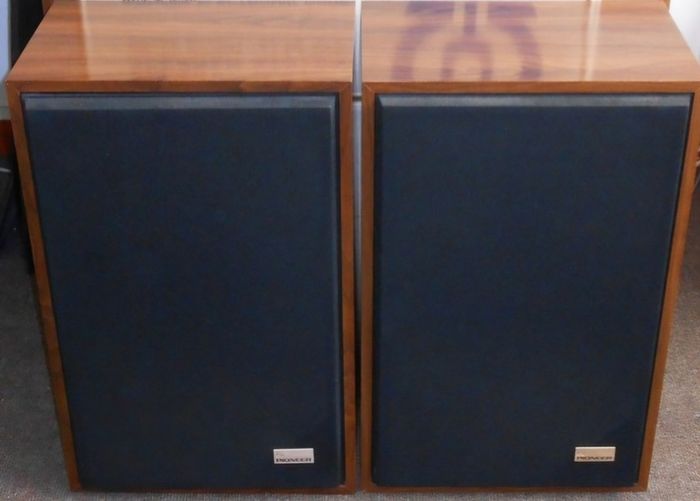
The rarest Holly Grail Pioneer speakers ever in pristine condition Pioneer CS-920 Ghost edition these were made exclusively for the American army in the 70's and were the Blueprint in the Pioneer Range
- Seller:
-
jambo81
Top Seller

- Feedback:
- Location:
- 48 more ads from this seller
- Entered/Renewed:
- 4 days ago
- Ad Views:
- 2,182


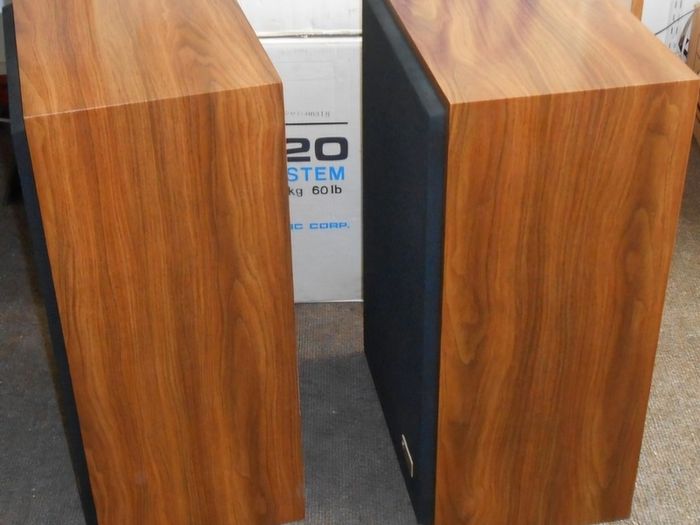
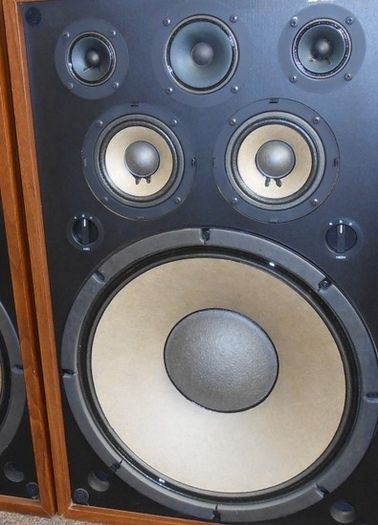
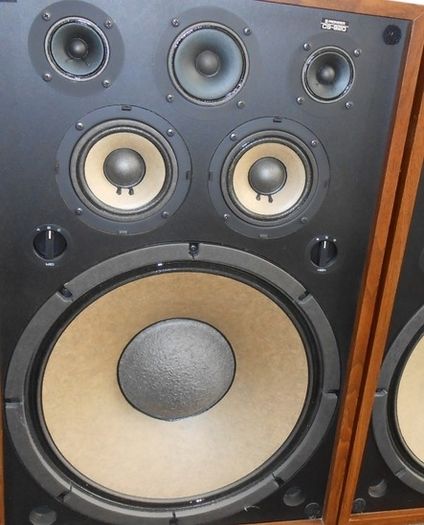
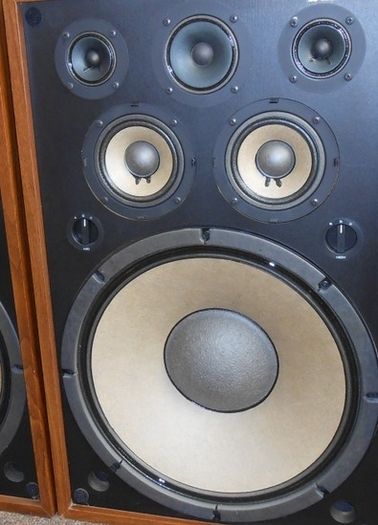
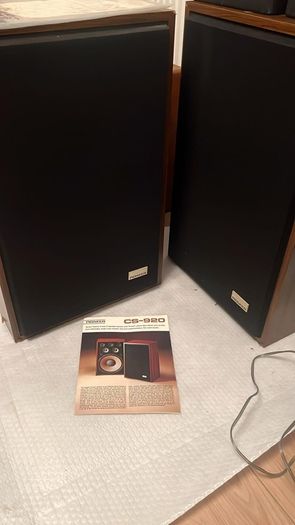
The rarest Holly Grail Pioneer speakers ever in pristine condition Pioneer CS-920 Ghost edition these were made exclusively for the American army in the 70's and were the Blueprint in the Pioneer Range
Description
For those in the know
These need No introduction simple
And simply considered as Pioneer’s greatest ever just do some research
■■■No Time Wasters or Test pilots please■■■■
The Pioneer CS-920 loudspeakers are widely considered some of the rarest, most elusive vintage speakers Pioneer ever produced. [1
While classic models like the Pioneer CS-99A are highly famous and visible across the collector market, the CS-920 exists as a near-mythological tier of vintage hi-fi
The "Monster Speaker" Blueprint
The 15-Inch Woofer: In the 1970s, bass wasn't just about accuracy; it was about moving physical air. Pioneer's massive 15-inch drivers gave these cabinets a commanding physical and acoustic presence.
The Multi-Driver Wall of Sound: Packing six drivers into a 4-way configuration was a feat of engineering visual showmanship. It looked intimidating and powerful, instantly becoming the centerpiece of any living room.
Built Like Tanks: These speakers were built with dense, heavy wood cabinets and robust internal magnets. They were engineered to handle the high-power output of the "Monster Receivers" of the era (like the Pioneer SX-1250 or SX-1980).
The Cultural Legacy
The Soldier’s Soundtrack: For a generation of military service members stationed overseas, buying these speakers at the PX was a rite of passage. They represent the ultimate "souvenir" of high-end engineering from Japan's Golden Era of audio.
The Kabuki Aesthetic: While modern audiophiles debate the acoustic perfection of multi-driver "Kabuki" setups, no one denies their legendary visual style and ability to effortlessly fill a massive room with party-level volume.
The phrase "mega rare" fits the Pioneer CS-920 perfectly. While some vintage gear is rare simply because people threw it away, the CS-920 belongs to an elite tier of audio history that was strictly gated from the public when it was new. [1]
What Makes Them "Mega Rare"
The Zero-Civilian Market Rule: Unlike the famous Pioneer HPM series or standard CS models, the CS-920 was never listed in commercial UK, European, or mainstream US dealer hi-fi yearbooks. If you didn't have a military ID or access to specialized PX/military exchange export orders in the late 1970s, you couldn't buy them. [1, 2]
Survival in Complete Original State: Finding a pair in original shipping cartons with all the foam inserts intact—such as those curated by vintage specialists like
The Pioneer CS-920 is a rare, vintage loudspeaker system manufactured in Japan during the mid-to-late 1970s. Originally built primarily for the US market and military exchange catalogs (like Off Duty), these heavy, large-format cabinets are highly sought after today by vintage audio collectors. [1, 2, 3, 4, 5]
Key Characteristics & Specs
Configuration: 4-way, 6-speaker system (similar in architectural lineage to the legendary CS-911).
Massive Low End: Features a prominent 15-inch woofer (specifically utilizing the Pioneer PW-388A driver) that delivers deep, authoritative vintage bass response.
Sound Profile: Known for an expansive, "room-filling" acoustic presence typical of late-70s Japanese hi-fi engineering.
Build Quality: Very heavy, robust wooden enclosures built back when manufacturers did not skimp on cabinet density. [1, 2]
The Collector Demand (The "Kabuki" Premium): There is a dedicated segment of vintage audio collectors who aggressively pursue the 15-inch multi-driver Japanese aesthetic. To these buyers, a flawless pair represents the crown jewel of a 1970s military-PX setup. [1]
 Paypal
Asking Price: €1,995  No swaps
More Similar Ads
See more in our Home Audio category available today